Pilates Reformers for Sale. Shop folding home reformers, wood studio reformers, full commercial aluminum machines, and reformer-with-tower combos. RecovAthlete is an authorized dealer for Align Pilates, BASI Systems, Merrithew, Elina Pilates, Peak Pilates, and MetaLife. Full manufacturer warranty on every reformer, 0% financing on qualifying orders, insured curbside freight across the continental US.

This collection covers every buyer scenario: apartment-friendly folding reformers for daily home practice, commercial-grade machines for new studios, and boutique wood reformers for classical training programs. Call 866-861-6317 Mon to Fri 9am to 6pm EST to compare models for your space and goals, or scroll the buying guide below.

What Is a Pilates Reformer Machine?

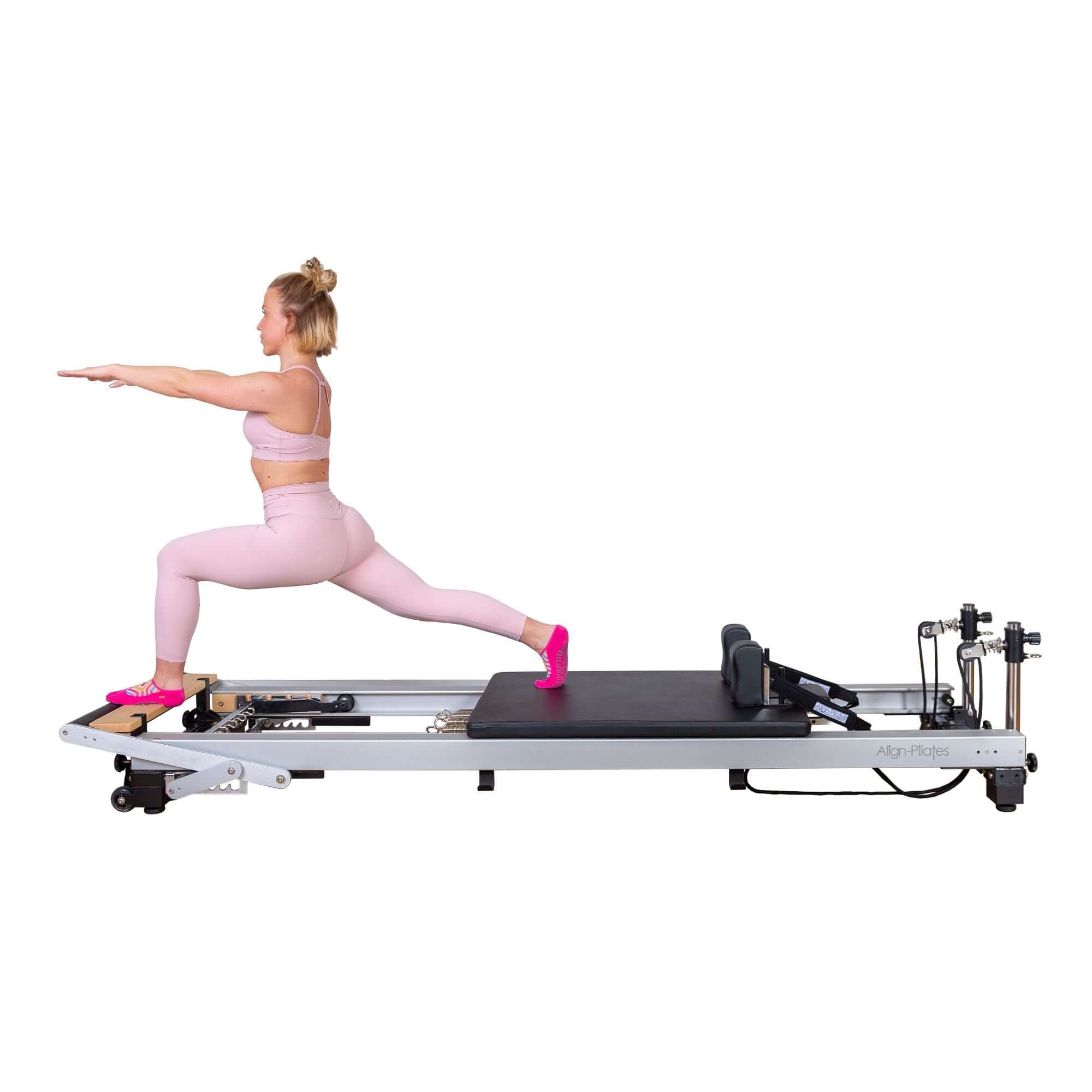
A Pilates reformer is a piece of Pilates apparatus with a sliding padded carriage that moves along rails inside a rectangular frame. Resistance comes from springs attached between the carriage and the frame end, adjustable from light (1 spring) to heavy (3 to 4 springs simultaneously). The user pushes off a footbar, pulls on rope-and-strap pulleys, or holds the shoulder blocks to drive the carriage through hundreds of exercise variations.

Standard reformer components:

  • Frame and rails. Steel, aluminum, or maple wood. Determines build feel, weight, and storage options.
  • Carriage. Padded sliding platform with shoulder blocks at one end and a headrest.
  • Springs. 4 to 5 springs, color-coded by tension. Music wire springs are the studio-grade standard.
  • Footbar. Adjustable horizontal bar at one end of the frame for foot or hand support.
  • Ropes and straps. Pulley system at the spring end for arm and leg exercises.
  • Shoulder rests, headrest, and sitting box. Standard accessories for positioning and exercise variations.
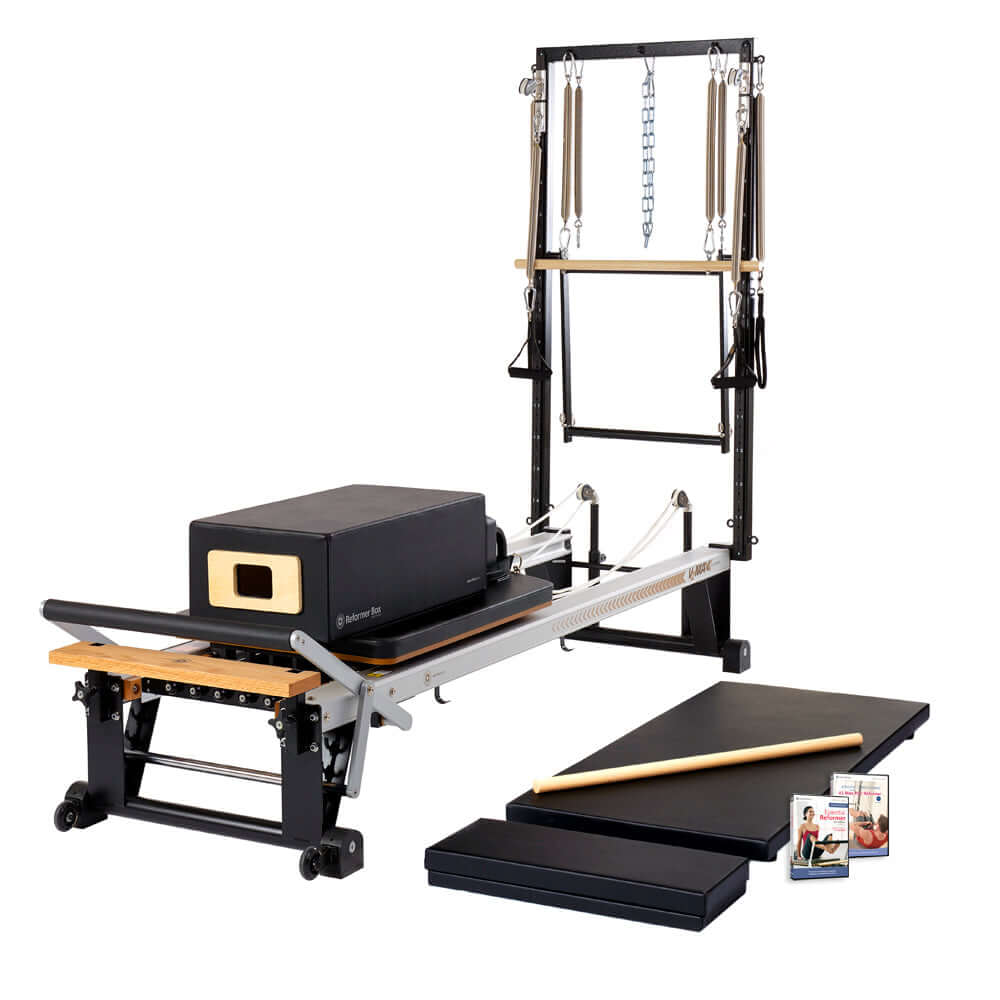
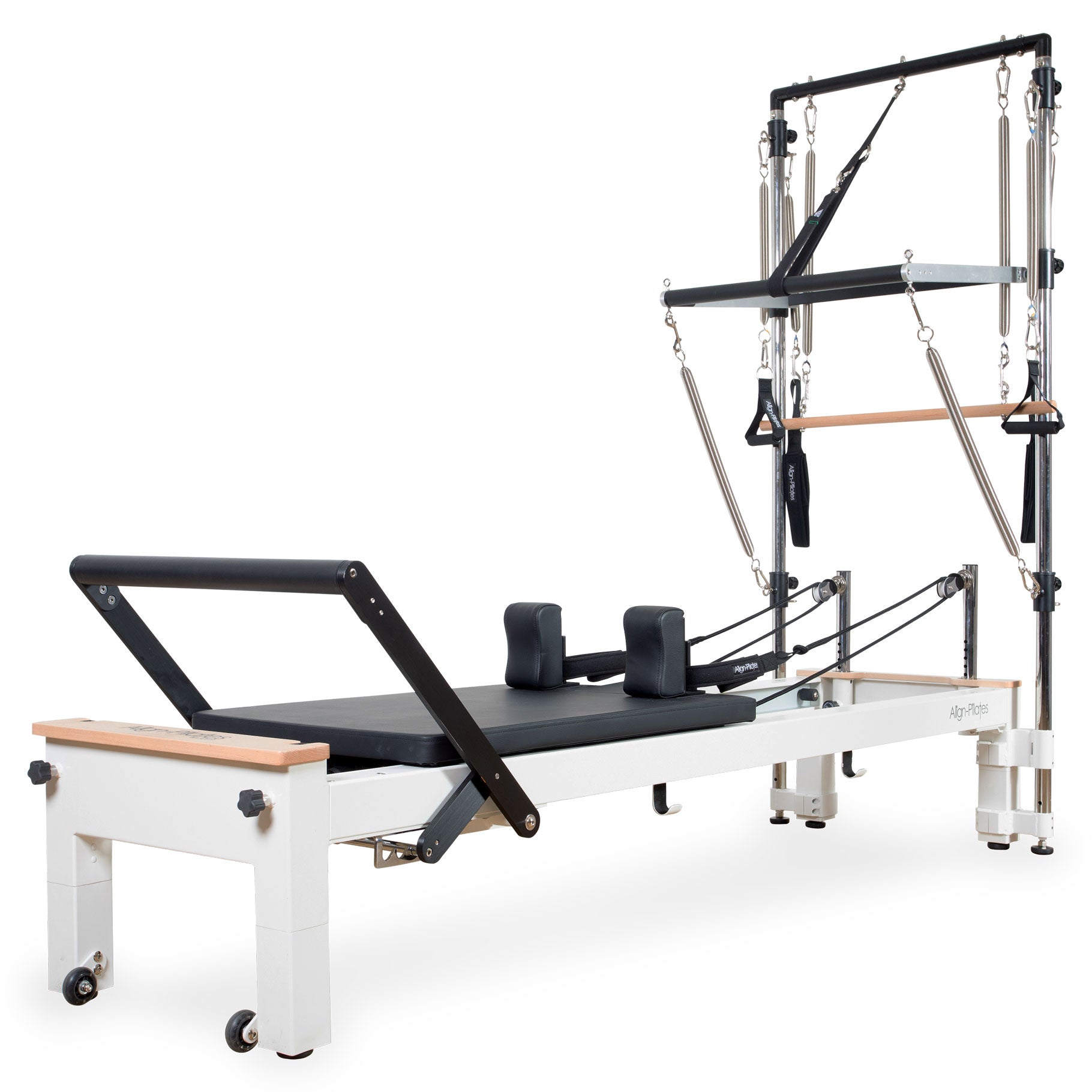
  • Optional add-ons. Tower frame, jump board, half-Cadillac attachment, padded box.

Reformers are used by Pilates instructors, studio members, athletes, rehab patients, and home practitioners. The same machine that supports a 90-year-old client doing seated footwork supports a competitive athlete doing single-leg jump board work.

Choose Your Reformer by Buyer Type

Home Use Folding and Residential Reformers

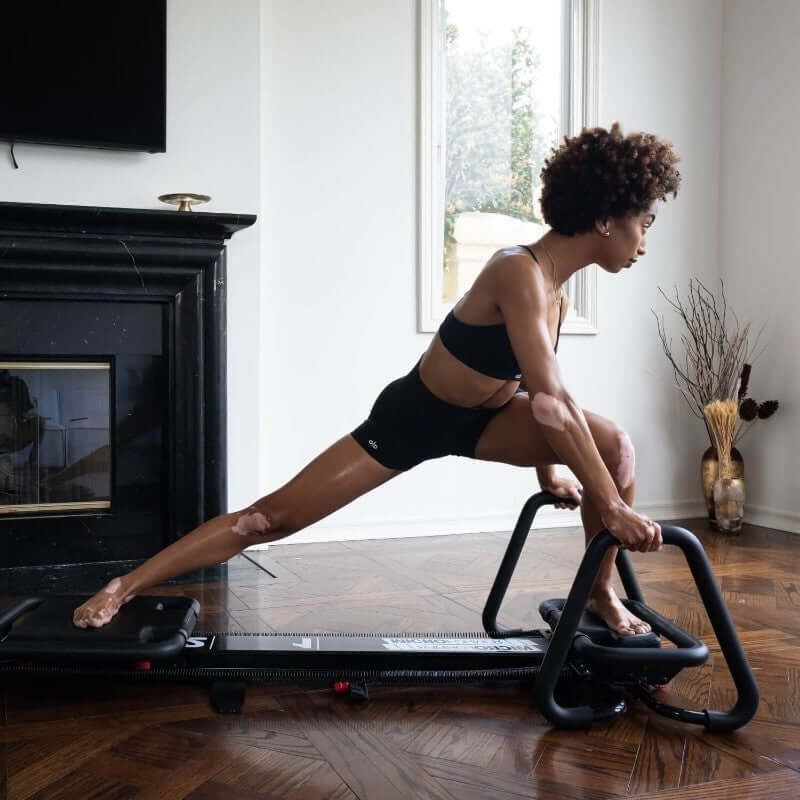
Align F2/F3, Elina Pilates home models, and MetaLife compact machines fold or store vertically for apartments and dedicated home gyms. Music wire springs match studio quality. Best entry for daily home practice.

Studio Starter Entry Studio Reformers

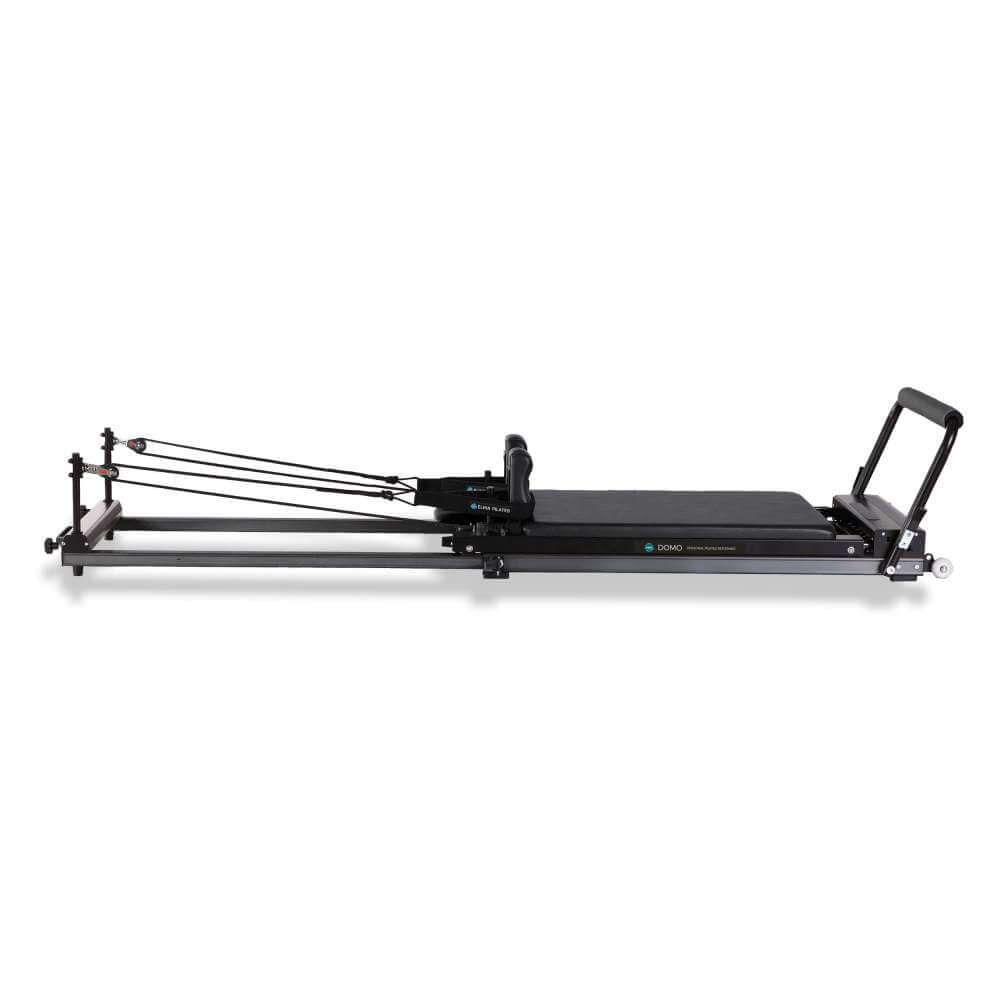
Align C2 Pro, Peak Pilates Casa, and Elina Domo offer commercial build quality at accessible entry pricing. Right pick for new studios, personal training spaces, and Pilates certification programs.

Full Commercial High-Volume Studio Reformers

Merrithew SPX Max, BASI Systems Reformer, and Align A8 Pro are built for 6 to 8 hours of daily use. Handle mixed-body populations, group class formats, and long-term studio operation.

Wood / Boutique Maple Wood Reformers

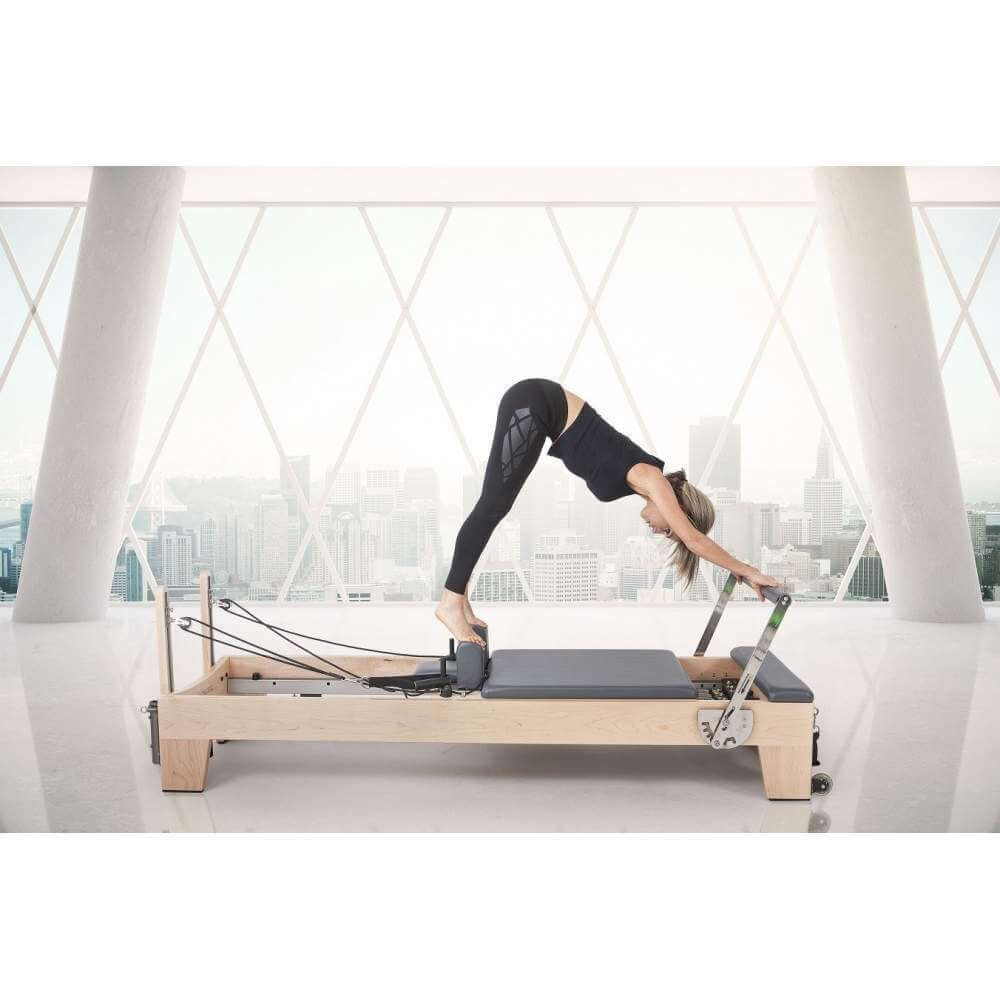
Elina Elite Wood, Align M8 Pro, and BASI hardwood models bring classical aesthetics to studio environments. Preferred by boutique studios and practitioners of classical Pilates lineages.

Best Pilates Reformer by Buyer Type (Detailed)

Buyer Type Best Reformer Type Recommended Models
Beginner home user Folding reformer Align F2, Align F3, Elina Domo, MetaLife W23 Eco
Serious home user Studio-grade home reformer Align C-series, Align M8, Merrithew V2 Max home
New Pilates studio Entry commercial reformer Align C2 Pro, Peak Pilates Casa, Elina Domo
Group class studio Full commercial reformer Merrithew SPX Max, BASI Systems Reformer, Align A8 Pro
Boutique studio (classical) Wood reformer Elina Elite Wood, Align M8 Pro, BASI hardwood models
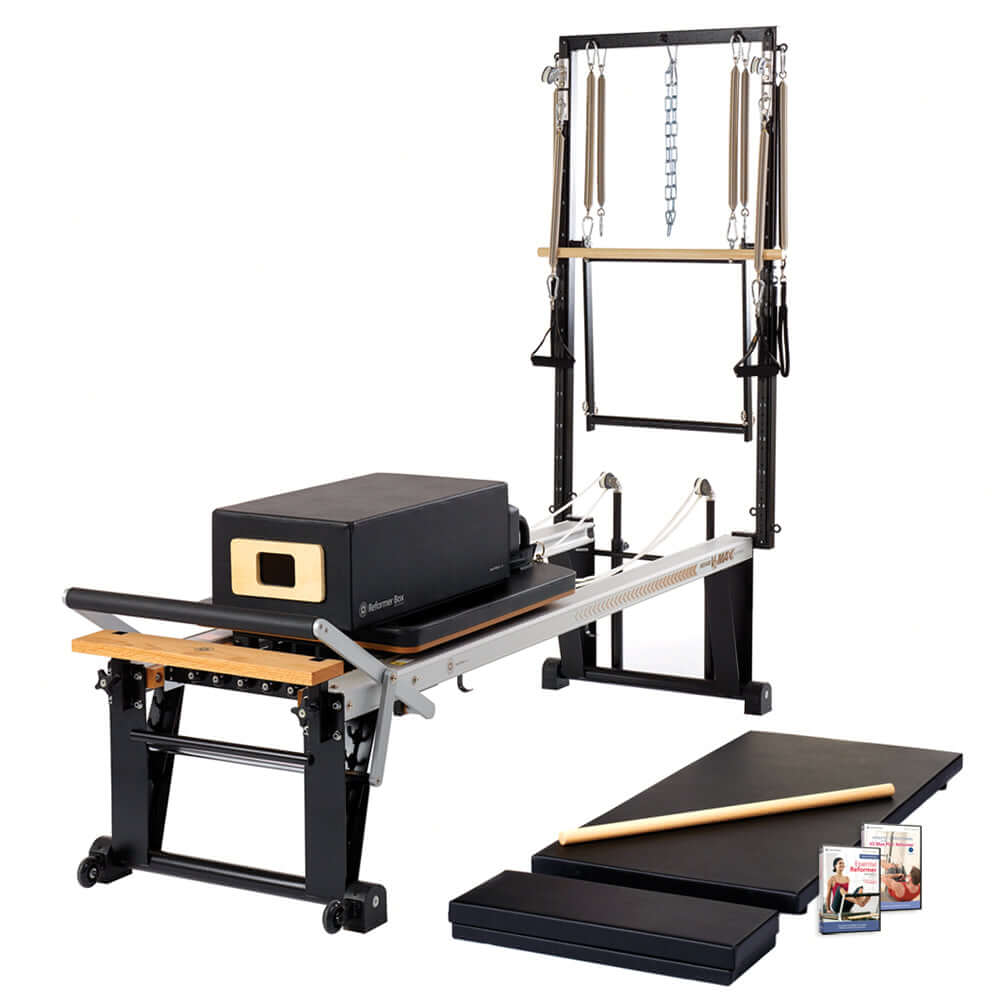
Rehab clinic Commercial reformer with tower BASI with tower, Merrithew with tower, Align with tower
Instructor training program Mixed studio reformers Peak Pilates Casa or MVe, BASI Systems
Personal trainer (mobile) Folding reformer Align F3 (folds flat), Elina home folding

Pilates Reformer Price Tiers

Pricing varies significantly across the reformer category. Six tiers cover the market:

Tier 1: Folding Home Reformers Compact folding designs for apartments and home gyms. Includes Align F2, Align F3, MetaLife W23 Eco. The most accessible entry point. Best for daily home practice.
Tier 2: Studio-Grade Home Reformers Non-folding home reformers built closer to studio spec. Includes Align M-series and select Elina home models. Mid-range price, longer carriage, music wire springs.
Tier 3: Entry Commercial Reformers Built for new studios and instructor-led settings. Includes Align C2 Pro, Peak Pilates Casa, Elina Domo. Mid-to-upper price tier with commercial warranty coverage.
Tier 4: Full Commercial Reformers Daily-use studio workhorses. Includes Merrithew SPX Max, BASI Systems Reformer, Align A8 Pro. Higher price, longest carriage and frame durability.
Tier 5: Wood and Boutique Reformers Maple wood construction for boutique and classical studios. Includes Elina Elite Wood, Align M8 Pro, BASI hardwood. Premium tier with classical aesthetic.
Tier 6: Reformers With Tower or Cadillac Combo Full apparatus combinations that combine reformer with tower or half-Cadillac. Highest tier. Best for studios wanting full apparatus training in one footprint.

Call 866-861-6317 for current Pilates reformer pricing, availability, financing pre-qualification, and freight quotes to your zip code.

Home vs Studio Pilates Reformers

The first decision most buyers face. Here's how the two compare:

Feature Home Reformer Studio Reformer
Daily use capacity 1 to 3 sessions per day, 1 to 2 users 6 to 8+ hours daily, multiple clients
Frame build Lighter, often folding or vertical-storage Heavy-duty, fixed placement
Storage Folds flat or stores upright Permanent floor placement
Carriage length Standard residential length Longer carriage for taller users and group classes
Springs Music wire springs, residential warranty Commercial-grade springs, commercial warranty
Price tier Lower Higher
Best for Personal use, daily home practice Daily client sessions, group classes, instructor training
Warranty coverage Residential daily use Commercial daily use

If you're outfitting a personal home practice, the home reformer category is the right fit. If you're running a studio, a personal training business, or planning to teach clients on the machine, choose a studio reformer with commercial warranty. The price difference is significant, but so is the build difference.

How to Choose a Pilates Reformer

Eleven factors actually matter when comparing reformers. Get these right and the buying decision becomes simple.

  1. Frame material. Aluminum is light and easy to clean (commercial studios). Steel is heavier and stable (mixed home/studio). Maple wood is classical and beautiful (boutique studios).
  2. Carriage length. Standard is 68 to 72 inches. Longer carriages accommodate taller users and broader exercise range. Important for studios with mixed-body populations.
  3. Spring system. Music wire springs are the studio standard. Look for 4 to 5 springs with color-coded resistance levels. Commercial reformers use higher-grade spring materials.
  4. Footbar adjustability. Multi-position footbars accommodate more exercises and user heights. Single-position bars limit programming.
  5. Tower compatibility. Some reformers accept a tower attachment that adds push-through bar and arm spring work. If you want full apparatus training in one footprint, choose a tower-compatible model.
  6. Vertical storage or folding design. Critical for home buyers in apartments or shared spaces. Confirm fold or vertical-storage capability before ordering.
  7. Max user weight. Most home models cap at 250 to 300 lbs. Commercial models cap at 350+ lbs. Confirm if any user is over 250 lbs.
  8. Accessories included. Sitting box, jump board, padded headrest. Check what ships standard versus what's a paid add-on.
  9. Warranty. Residential warranty covers home use. Commercial warranty covers daily multi-user studio use. Confirm the right tier for your use case.
  10. Shipping and freight. All reformers ship LTL freight. Confirm curbside vs threshold vs room-of-choice delivery for your zip code.
  11. Assembly. Some folding home models arrive fully assembled. Studio reformers typically need partial assembly. Plan for 30 to 90 minutes and two people.

What Comes With a Pilates Reformer?

Standard components included with most reformers in this collection:

  • Reformer frame (aluminum, steel, or wood depending on model)
  • Padded carriage with shoulder blocks and headrest
  • 4 or 5 music wire springs with color-coded tension
  • Adjustable footbar
  • Ropes and pulleys with double-loop straps
  • Risers (for rope attachment)
  • Owner's manual
  • Warranty registration card

Common paid add-ons depending on model:

  • Sitting box (also called short box or jump box) for seated and supine exercises
  • Jump board for plyometric and cardio programming
  • Tower attachment (push-through bar, arm springs)
  • Half-Cadillac add-on
  • Padded carriage cover
  • Extension straps for taller users

Check the specific product page for each reformer model. Inclusions vary significantly by brand and model.

Brands We Carry

Align Pilates Reformers

Align Pilates is the most versatile brand in this collection. Their lineup covers folding home reformers (F2, F3, H1), studio-grade home models (M8), entry commercial (C2 Pro, C8), full commercial (A8 Pro), and reformer with tower (R8). Music wire springs across the line, RC spring bar on most models, value pricing relative to the commercial competition. Best for home buyers, new studios, and personal trainers. Browse all Align Pilates equipment.

BASI Systems Reformers

BASI Systems is the brand most BASI-certified instructors train on. Premium commercial reformers with the longest carriage in this collection, EPS bar (Extended Position System), and hardwood model options. Best for boutique classical studios, BASI certification programs, and high-end commercial settings. No standalone home models. Browse all BASI Systems equipment.

Merrithew Reformers

Merrithew is the brand behind the STOTT Pilates method. The SPX Max is the most popular commercial reformer for group class studios and high-volume teaching. The V2 Max is offered in both home and studio configurations. Built for durability across thousands of hours of multi-user operation. Best for group class studios, certification programs, and instructor education facilities. Browse all Merrithew equipment.

Elina Pilates Reformers

Elina Pilates is the largest selection in this collection. Custom-made in Valencia, Spain. Home range plus the Domo entry commercial model. The Elite Wood and Master lines are the boutique wood reformer flagship options. Production lead time runs 4 to 8 weeks plus freight. Best for boutique studios and clients who value classical wood craftsmanship. Browse all Elina Pilates equipment.

Peak Pilates Reformers

Peak Pilates is the heritage commercial brand with the longest classical Pilates programming lineage in this collection. The Casa is the entry commercial model. The MVe and Artistry lines serve studios committed to classical Pilates teaching. Built for studio durability with classical-leaning aesthetics. Best for classical studios, certification programs, and traditional Pilates teaching environments. Browse all Peak Pilates equipment.

MetaLife Reformers

MetaLife is the value-plus-accessories brand. The W23 Eco home folding model and Infinity 2023 studio model both ship with more included accessories than competing models at the same price tier. Best for buyers prioritizing accessory inclusion at a controlled price point. Browse all MetaLife equipment in the collection links below.

Folding vs Wood vs Aluminum Reformers

Frame type affects feel, durability, storage, and price. Here's how the three primary frame styles compare:

Frame Type Best For Pros Cons
Folding reformer Home use, apartments, mobile trainers Easy storage, lower price, accessible entry Lighter build, residential warranty only
Aluminum reformer Commercial studios, group classes Lightweight for its strength, easy to clean, daily-use durable Less classical aesthetic
Wood reformer Boutique studios, classical Pilates settings Stable, classical look, premium build feel Heavier, larger footprint, higher price
Reformer with tower Advanced training, full apparatus settings Tower repertoire on the reformer footprint, more exercise variety Higher price, larger overall footprint

Commercial Pilates Reformers

Commercial buyers run a different calculation than home buyers. The reformer needs to handle 6 to 8+ hours of daily multi-client use, deliver consistent client outcomes, and pay back the capital cost within typical studio business timelines. Features that matter for commercial settings:

  • Heavy-duty aluminum or steel frame rated for daily multi-user operation
  • Long carriage (72+ inches) for mixed-body client populations
  • Commercial-grade music wire springs with longer fatigue life
  • Multi-position adjustable footbar for diverse exercise programming
  • Sealed carriage wheels for low-maintenance operation
  • Easy-clean upholstery rated for disinfectant cycles
  • Commercial warranty that explicitly covers daily multi-user operation
  • Standard accessories included or available (sitting box, jump board)
  • Manufacturer training and support for new studio operators

The leading commercial reformers in this collection are the Merrithew SPX Max, BASI Systems Reformer, Align A8 Pro, and Peak Pilates MVe. For full apparatus training in one footprint, browse reformers with tower. Studios ordering 3 or more reformers typically qualify for facility pricing. Call 866-861-6317 to discuss commercial studio quotes.

Pilates Reformers for Beginners

Beginner buyers face a real choice: folding home reformer (lower entry price, easier storage) or studio-grade home reformer (closer to studio feel, longer build life). Three rules of thumb:

  • If your budget is under $3,500 and you live in an apartment or shared space, choose a folding reformer. The Align F2, Align F3, or Elina home folding are the right starting points.
  • If you have dedicated floor space and plan to train daily for years, consider a studio-grade home reformer. Align M8 or a non-folding Elina model will deliver a closer-to-studio experience.
  • If you're new to Pilates entirely, take 5 to 10 in-studio sessions before buying. This builds the basic vocabulary, helps you know what features matter, and prevents buying the wrong model.

Beginners benefit specifically from reformers with music wire springs (real progressive resistance), an adjustable footbar (multiple positions accommodate different exercises and user heights), and clear assembly documentation. Avoid the cheapest no-name reformers — the spring system on entry budget machines often doesn't match what your instructor is using in studio sessions.

Pilates Reformer Benefits

Why buy a reformer specifically rather than mat Pilates or another piece of equipment:

  • Full-body strength under variable resistance. 4 to 5 spring options scale from rehab loads to athletic strength work on the same machine.
  • Low-impact training. Spring resistance is constant and controlled. No jarring impact, no falling load.
  • Core strength through every exercise. The sliding carriage requires constant trunk stabilization regardless of the movement.
  • Posture and alignment work. The supine and seated positions train alignment more directly than standing exercises.
  • Flexibility and mobility. Eccentric loading through the full range trains active flexibility, not passive stretching.
  • Rehab-appropriate programming. Physical therapists use reformers for post-surgical rehab and chronic pain management.
  • Athletic conditioning. Jump board work delivers cardio plus power. Heavy spring loads build strength. Single-leg work addresses asymmetries.
  • Hundreds of exercise variations. The same machine supports more than 200 documented exercises across all positions.

Pilates Reformer vs Other Pilates Equipment

The reformer is the most versatile piece of Pilates apparatus, but it isn't the only option. Here's where each apparatus fits:

Equipment Best For Space Needed
Reformer Full-body strength, mobility, resistance training, rehab Medium (8 ft x 2.5 ft)
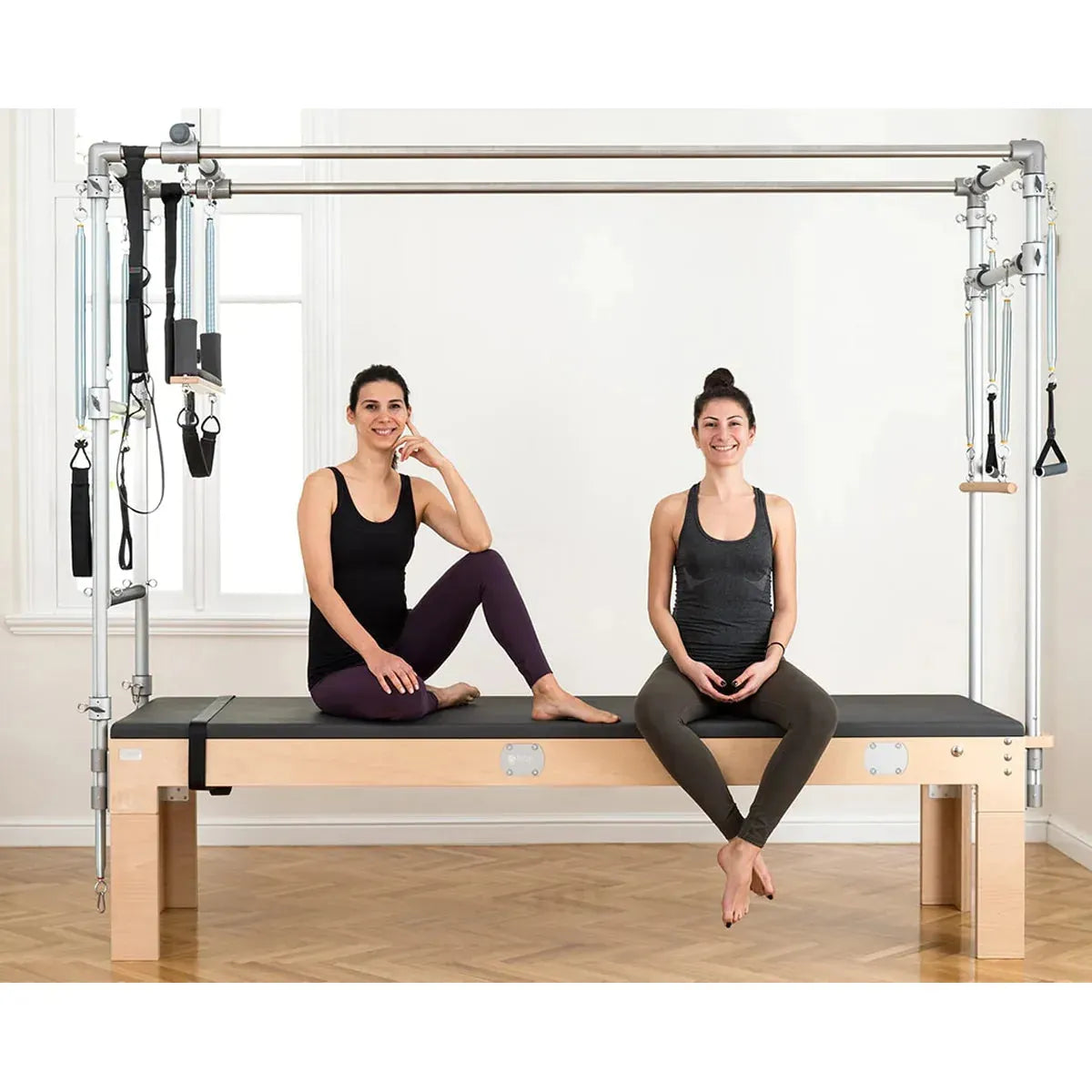
Cadillac / Trap Table Advanced studio work, assisted movement, full apparatus training Large (8 ft x 3 ft frame plus working space)
Pilates Chair (Wunda) Compact strength, balance, unilateral work Small (2 ft x 2 ft)
Ladder Barrel Spine mobility, flexibility, lateral work Medium
Reformer with Tower Reformer plus tower spring work in one footprint Medium

Most studios start with reformers (the workhorse), add chairs and barrels for variety, then add a Cadillac or two for advanced and rehab work. Home users typically start with a reformer or chair, depending on space available.

Space, Delivery, and Setup

  • Reformer footprint. Most reformers run 8 ft long x 2 to 2.5 ft wide. Allow 12 ft x 6 ft of total floor space for comfortable use including spring change clearance and side access.
  • Folding reformer storage. Folded dimensions vary by model. Most fold to roughly 4 ft x 2.5 ft with vertical storage option.
  • Ceiling clearance. Standard 8 ft ceiling is sufficient. Reformers with tower may need 8 to 9 ft.
  • Freight delivery. All reformers ship LTL freight. Curbside delivery is standard. Threshold and room-of-choice options available in many areas (additional cost).
  • Doorway clearance. Most reformers ship in two boxes that fit through standard 32" doorways. Confirm before ordering for non-folding studio models.
  • Assembly. Folding home models often arrive fully assembled. Studio reformers typically need partial assembly: attaching footbar, ropes and pulleys, and securing the carriage system. Plan 30 to 90 minutes and two people.
  • Commercial studio layout. Group class studios should plan minimum 3 ft of side clearance between reformers and minimum 4 ft of end clearance for instructor positioning. Lead time for commercial installations runs 4 to 8 weeks plus freight.

Frequently Asked Questions

What is a Pilates reformer?
A Pilates reformer is a piece of Pilates apparatus with a sliding carriage running along rails inside a rectangular frame. Resistance comes from springs, adjustable from light to heavy. The user pushes off a footbar, pulls on ropes and straps, or holds shoulder blocks to drive the carriage through hundreds of exercises. Used by instructors, studios, rehab clinics, athletes, and home practitioners.
How much does a Pilates reformer cost?
Pricing spans six tiers in this collection. Folding home reformers are the lower entry point. Studio-grade home and entry commercial reformers sit in the mid range. Full commercial, wood, and reformer-with-tower models are the higher tier. Call 866-861-6317 for current pricing on any specific model.
What is the best Pilates reformer for home use?
For most home users, the Align F3 Folding Reformer is the most popular pick. It folds flat for storage, includes the RC spring bar, and matches studio spring quality. For dedicated home gym spaces without storage constraints, the Elina Domo or Align M8 are stronger options. For apartments with severe space limits, the Align F2 is the most compact.
What is the best Pilates reformer for studios?
For high-volume group class studios, the Merrithew SPX Max is the most popular commercial reformer. For boutique classical studios, BASI Systems Reformer or Elina Elite Wood are the leading choices. For new studios on a budget, Align C2 Pro or Peak Pilates Casa deliver commercial spec at accessible entry pricing.
Is a Pilates reformer worth buying?
For users practicing 3+ times per week, yes. The math compares purchase cost against studio class fees: most home buyers break even on a folding reformer within 12 to 18 months of replacing studio classes with home practice. For occasional users, studio classes are usually the better economic choice. For studio operators, reformer ROI depends on class volume and per-session pricing.
What's the difference between a reformer and a Cadillac?
A reformer has a sliding carriage and spring resistance. A Cadillac (also called a trapeze table) has a fixed platform surrounded by a vertical frame with multiple spring and bar attachment points. Cadillacs support exercises a reformer can't (hanging work, push-through bar movements) but take more floor space and cost more. Many studios use both. See the Cadillac collection.
What's the difference between a home and a commercial reformer?
Home reformers are designed for 1 to 3 sessions per day by one or two users. Studio or commercial reformers are built for 6 to 8+ hours of daily use across multiple clients. Commercial models have heavier frames, longer carriages, more durable spring systems, and warranties that cover sustained daily operation. Home reformers cost less but won't survive commercial use.
Can beginners use a Pilates reformer?
Yes. The reformer's adjustable spring resistance makes it accessible to absolute beginners (light springs only) and challenging for elite athletes (heavy spring loads). That said, beginners benefit from 5 to 10 in-studio sessions before buying a reformer for home use. This builds the basic exercise vocabulary and helps avoid common form mistakes.
How much space do I need for a Pilates reformer?
Most reformers run 8 ft long by 2 to 2.5 ft wide. Allow 12 ft x 6 ft of total floor space for comfortable use including spring change clearance and side access. Reformer-with-tower models need 9 ft ceiling clearance. Folding reformers can be stored upright when not in use.
Should I buy a folding reformer?
Yes if you live in an apartment, share your home practice space with another activity, or have under 80 sq ft of dedicated floor space. The folding mechanism on Align F-series and similar models is well-engineered and shouldn't compromise the training experience. Folding reformers are the right entry for most home users.
Are wood Pilates reformers better than aluminum?
Not necessarily better, just different. Wood reformers (Elina Elite Wood, Align M8 Pro, BASI hardwood) offer classical aesthetics, stable build, and the traditional Pilates feel preferred in boutique studios. Aluminum reformers (Merrithew SPX Max, Align A8 Pro commercial) are lighter, easier to clean, and better suited to high-volume group class settings. Choose based on use case and studio aesthetic, not on which material is "better."
What accessories do I need with a Pilates reformer?
Most reformers ship with ropes, straps, springs, shoulder rests, headrest, and adjustable footbar. The two most-used paid add-ons are the sitting box (for seated and supine exercises) and the jump board (for plyometric and cardio programming). For full apparatus training, add a tower attachment. Confirm what's included on the specific product page for the model you're considering.
Do Pilates reformers ship assembled?
Most folding home reformers arrive fully assembled or with minimal final setup. Studio reformers typically need partial assembly (attaching footbar, ropes and pulleys, securing the carriage system). Plan for 30 to 90 minutes and two people. Specific assembly instructions are on each product page.
Is financing available?
Yes. Affirm financing is available at checkout for individual buyers. Commercial financing is available on studio orders and multi-unit bundles through our finance partners. Call 866-861-6317 to pre-qualify before placing your order.
How long is the warranty?
Warranty terms vary by brand and model. Home reformers carry residential warranties (typically 1 to 5 years on frame, 1 year on parts). Commercial reformers carry commercial-rated warranties that explicitly cover daily multi-user operation. Studio buyers should confirm commercial coverage before ordering. Call 866-861-6317 for warranty details on any specific model.
Authorized dealer. All brands carry full manufacturer warranty.
💳
0% financing. Affirm available on qualifying orders.
🚚
Insured curbside freight. Continental US only.
📞
Compare models: 866-861-6317

Not sure which Pilates reformer fits your space and goals?

Free 30-minute consult. We'll match you on build, springs, size, and budget based on how you actually train. No obligation.

Book Free Consult Call 866-861-6317

Related Collections

Related reading: Align vs Balanced Body comparison · Beginner reformer workout guide · Types of Pilates machines explained