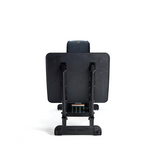
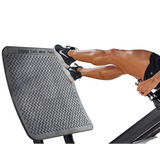
Total Gym ELEVATE Jump Trainer | Low-Impact Jump Machine

Total Gym ELEVATE Jump -
Total Gym ELEVATE Jump Trainer | Low-Impact Jump Machine
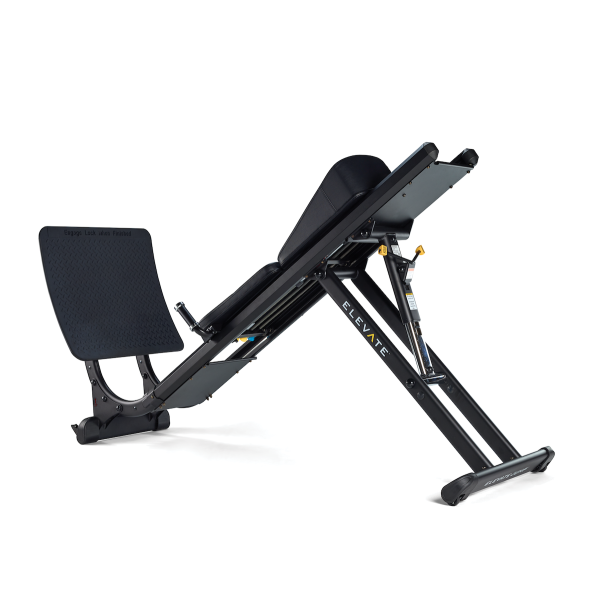
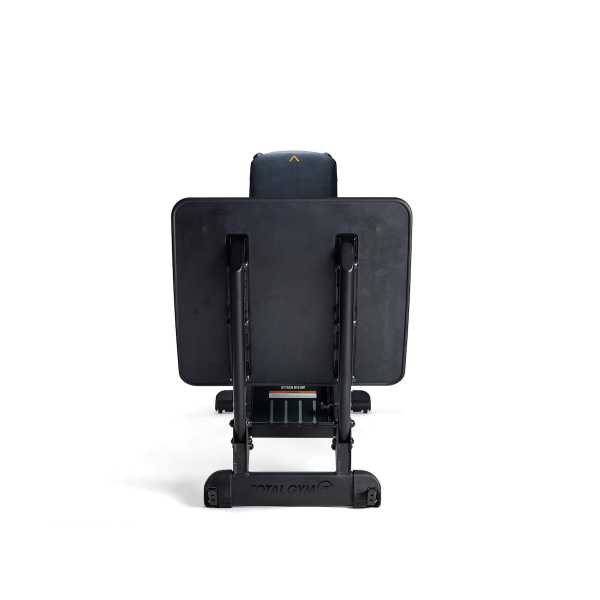
jump trainer total gym
total gym elevate jump
total gym elevate jump side view
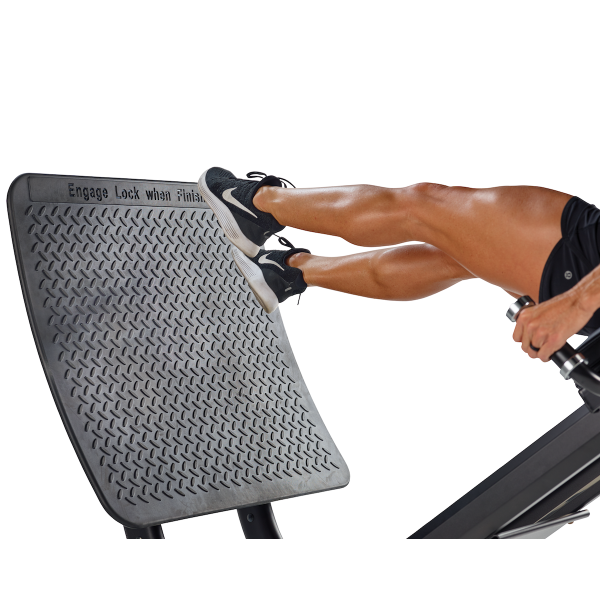
women exercising on total gym elevate jump
total gym jump
total gym jump trainer

Total Gym ELEVATE Jump Trainer | Low-Impact Jump Machine

★★★★★

"Nice products and excellent customer service, both during and after the purchase process. Great company to purchase from and great customer service! "

— Juan Mendoza

Ships within 10 business days | FREE SHIPPING
  • Benefits
  • Best For
  • Bonuses
  • Glideboard absorbs landing forces, sparing knees and ankles
  • Incline-adjustable load scales from rehab to elite athletes
  • 400 lb user cap covers heavy athletes most plyo plates skip
  • 20+ jump variations cover bilateral, single-leg, and lateral
  • Sports performance coaches building vertical jump and power
  • PT clinics running ACL and post-knee plyometric rehab work
  • Volleyball, basketball, and track programs needing jump volume
  • Home gyms training athletic populations with serious space
  • 5-year commercial frame warranty backed by the manufacturer
  • Affirm financing at checkout, commercial terms also available
  • Multi-unit facility quotes available, call 866-861-6317
  • No outlet, no batteries, no motor service to schedule ever
Regular price
$3,695.00
Regular price
$0.00
Sale price
$3,695.00
Save $-3,695.00

SHIPPING FREE

10

120% Price Match Guarantee

Fastest Shipping Guaranteed

Authorized Retailer

Looking for best prices?

Text or call us: +1-866-861-6317

4.9 Google Rating

Verified RecovAthlete Customer Reviews

Description
Description

Total Gym ELEVATE Jump Trainer: Safe Plyometric Power Without Joint Impact

The Total Gym ELEVATE Jump Trainer is a low-impact jump trainer machine that delivers full plyometric loading without the joint stress of floor jumping. You jump on an inclined glideboard that absorbs landing forces instead of your knees, ankles, and lumbar spine. 20+ explosive exercises. 400 lb user capacity. This is how athletic training facilities, PT clinics, and serious home gyms build jump power for athletes who can't afford the cumulative impact of box jumps and depth jumps.

At 22 sq ft and 230 lbs, the ELEVATE Jump Trainer is the largest individual ELEVATE station and the only one focused on lower-body explosive power.

✓ Authorized Total Gym Dealer. Full manufacturer warranty included.

Best For
  • Athletic training facilities developing explosive vertical jump and sprint power
  • PT clinics running ACL and post-knee-surgery plyometric rehab
  • Sports performance centers training jumping athletes (volleyball, basketball, track)
  • Facilities where box jumps are too risky for the client population (older adults, heavy athletes, return-to-sport)
  • Serious home gym buyers wanting commercial-grade jump training
Not Ideal For
  • Home gym spaces under 22 sq ft floor area
  • Facilities focused on upper body or core (see other ELEVATE stations)
  • Buyers wanting a single all-in-one trainer (see the Super Circuit Encompass package)
  • Spaces with low ceilings (allow standing room for the user during jumps)
Why RecovAthlete Carries This

The Jump Trainer is the only individual ELEVATE station built around lower-body power, and it's also included in the Super Circuit package. For clinical plyometric rehab specifically, the RS LEX is the clinical-grade version with extra rehab positioning features. Call 866-861-6317 if you're deciding between the two.

What the Total Gym ELEVATE Jump Trainer Is

The ELEVATE Jump Trainer is a commercial-grade jump trainer machine designed for low-impact plyometric training. Unlike floor-based plyometrics where the user lands on the ground and absorbs the full impact through their joints, the ELEVATE Jump uses an inclined rail system and a sliding glideboard. The user lies on the glideboard, pushes off the foot platform, and the board launches them up the incline. As gravity pulls them back down, the glideboard decelerates them along the rails. No floor contact. No vertical impact on knees, ankles, hips, or lumbar discs.

The result is plyometric loading at the muscle level (explosive concentric and eccentric contractions) without the joint cost. This makes the ELEVATE Jump appropriate for populations where standard plyometrics are too risky: post-surgical rehab patients, older athletes, heavier users, and athletes returning from injury.

How the ELEVATE Jump Trainer Works

Four mechanical principles drive the ELEVATE Jump:

  1. Inclined glideboard. The user lies on a padded board that slides along precision rails set at an angle. Gravity provides resistance during the ascent, gravity assists during the descent.
  2. Bodyweight resistance scaling. The incline angle determines what percentage of bodyweight the user is pushing against. Higher incline equals heavier resistance. This is how the machine adapts from rehab-grade loading to maximum athletic power output.
  3. Jump platform engagement. The user pushes off a stable foot platform with both feet (or one foot for single-leg variations). The push drives the glideboard up the rails. Force and acceleration mirror a real jump.
  4. Decelerated landing. Instead of impacting the floor, the glideboard slides back down the rails under controlled deceleration. The user experiences the eccentric loading phase of a jump without the impact spike of landing on hard ground.

This is the same biomechanical pattern as a vertical jump or box jump, with the landing forces converted from vertical impact into horizontal slide. Same explosive muscle recruitment, fraction of the joint stress.

Total Gym Jump Trainer Benefits

  • Low-impact plyometric loading. Build jump power without the cumulative joint stress of floor plyometrics.
  • Lower-body explosive strength. Trains the same muscle groups as box jumps and depth jumps: glutes, quads, hamstrings, calves.
  • Cardio conditioning at high intensity. Sustained jump intervals drive heart rate up fast and keep it there.
  • Adjustable resistance via incline. Same machine works for rehab-level loading and elite athletic training.
  • Safer plyometric progression. Beginners can build jump capacity without the technical risk of mistimed box jumps.
  • Repeatable volume. Athletes can complete higher jump volume per session than floor plyometrics allow before joint fatigue limits training.
  • Single-leg work. Unilateral variations address strength imbalances and post-injury asymmetries.
  • 20+ exercise variations. Bilateral jumps, single-leg jumps, split squats, calf-focused work, lateral variations, reactive drills.

Who Buys the ELEVATE Jump Trainer

  • Sports performance coaches training vertical jump, sprint power, and reactive strength in athletes
  • Physical therapists progressing post-surgical knee and ankle patients into safe plyometric loading
  • College and pro athletic training facilities adding dedicated lower-body power stations
  • Personal trainers and small group studios running high-intensity lower-body circuits
  • Volleyball, basketball, and track programs needing repeatable jump training volume
  • Active aging facilities wanting safer explosive movement training for older adults
  • Home gym owners with dedicated training space and a focus on athletic development

ELEVATE Jump Trainer vs Floor Plyometric Training

Floor plyometrics work. They also accumulate joint stress, especially as athletes get older, heavier, or come off injury. Here's the trade-off:

Feature ELEVATE Jump Trainer Floor Plyometric Training
Landing impact Low. Glideboard absorbs forces High. Joints absorb full impact
Resistance Adjustable via incline angle Bodyweight only
Movement control Guided along precision rails Open, requires high technique
Best for Power building, rehab, conditioning, mixed populations Advanced athletes with strong technique foundation
Beginner safety Better. Controlled path, lower stakes More demanding. Mistakes cost knees and ankles.
Joint stress over time Significantly reduced Cumulative. Limits training volume for many athletes
Volume capacity Higher reps per session Capped by joint fatigue and technique breakdown
Rehab application Yes, widely used clinically Late-stage only, after passing impact tolerance

For elite athletes with bulletproof technique and no injury history, floor plyometrics remain a tool. For everyone else, the ELEVATE Jump delivers similar power adaptation with a fraction of the long-term cost.

Best Exercises on the ELEVATE Jump Trainer

The 20+ exercise library covers the full range of plyometric programming. Most-used variations:

  • Bilateral squat jumps. The foundation movement. Both feet drive the platform.
  • Single-leg jump press. Unilateral power and balance training.
  • Calf-focused jumps. Plantarflexor power for sprinters and jumpers.
  • Lateral jump variations. Frontal plane power for cutting sports.
  • Split-squat jumps. Hip extensor power in a split stance.
  • Plyometric leg press. Heavier-load explosive concentric work.
  • Power intervals. Sustained jump sequences for conditioning.
  • Glute-focused jump press. Hip-dominant variation emphasizing posterior chain.
  • Rehab progression jumps. Low-incline, low-load reps for return-to-sport.
  • Reactive drills. Quick-contact rebound jumps for stretch-shortening cycle training.

Watch the product videos below to see setup, form cues, and workout examples.

Total Gym ELEVATE Jump Videos

See how the Total Gym ELEVATE Jump supports low-impact plyometric training, lower-body strength, and cardio intervals.

Jump Trainer Overview

Plyometric Exercises

Training Demo

ELEVATE Jump Trainer for Athletic Performance

Vertical jump correlates strongly with sprint speed, sport-specific power, and on-field athletic output. The ELEVATE Jump lets coaches and trainers build that quality with significantly higher weekly training volume than floor plyometrics allow.

What this means in programming:

  • Higher session volume. Athletes can complete 60-100+ reps per session without joint fatigue limiting output. Floor plyos typically cap at 30-50.
  • More frequent sessions. Reduced impact means the same athlete can train plyometrics 3-4 times per week instead of 1-2.
  • Pre-fatigue or post-fatigue work. The lower joint cost means jump training can be paired with sprint work, weight room sessions, or sport practice without overloading the chain.
  • Quantifiable load progression. Incline angle changes are measurable. Athletes can track progress in resistance the same way they track weight on a barbell.
  • Repeatable across teams. One machine programmable for an offensive lineman and a setter delivers different absolute loads without changing equipment.

ELEVATE Jump Trainer for Rehab and Low-Impact Training

The ELEVATE Jump is commonly used in physical therapy and return-to-sport rehab settings. The reduced landing impact and controlled motion make it appropriate for stages of recovery where floor plyometrics are not yet safe.

Typical rehab applications:

  • Post-ACL reconstruction. Bridging the gap between strength training and full plyometric return-to-sport.
  • Post-meniscus surgery. Rebuilding eccentric quadriceps capacity under controlled load.
  • Achilles tendinopathy progression. Loading the plantarflexor chain with measurable resistance increases.
  • Hip and lower-back recovery. Power training without the spinal compression of floor jumping.
  • Active aging fall-prevention programs. Reactive strength work for older adults without the fall risk of unsupported plyometrics.
  • Balance and coordination. Single-leg variations train neuromuscular control under load.

For clinical-grade rehab specifically, the Total Gym RS LEX includes additional positioning features designed for medical settings.

Specs Translated Into What They Mean

Spec What it means for you
Glideboard absorbs landing forces Trainees land on a sliding board angled into the rails, not a hard floor. The board converts vertical impact into horizontal slide, sparing knees, ankles, and lumbar discs.
20+ plyometric exercises Box jump, depth jump, and single-leg variation training without the risk profile of jumping onto a hard surface.
400 lb max user weight Plyo-rated for athletes carrying significant muscle mass. Most plyo platforms cap at 350 lbs.
22 sq ft floor space Plyo zone in the footprint of a 6-foot box jump platform plus margin.
230 lb unit weight, heavy-duty steel and aluminum Stays planted under repetitive landing forces. Lighter plyo platforms walk under load.
5-year commercial frame warranty Plyo loads frames hard. Total Gym warrants this at the commercial tier.

What Ships With It

  • ELEVATE Jump Trainer unit (230 lbs)
  • Heavy-duty glideboard with shock-absorption design
  • Jump platform with foot positioning guides
  • Frame and rail assembly
  • Owner's guide and plyometric programming reference
  • Manufacturer warranty registration

Full Specifications

Specification Detail
Primary Movement Plyometrics, jump training, lower-body power
Exercises 20+
Max User Weight 400 lbs (181 kg)
Floor Space 22 sq ft (2.0 m²)
Unit Weight 230 lbs (104 kg)
Frame Heavy-duty steel and aluminum
Resistance Type Bodyweight, adjustable via incline angle
Power Required None. No electricity, no batteries.
Shipping Weight 325 lbs
Shipping Dimensions 78" x 29" x 22"
Warranty: Frame 5 years (commercial)
Warranty: Moving Parts 1 year
Warranty: Upholstery 90 days
Commercial Rated Yes. Built for daily multi-user facility use.

ELEVATE Jump Trainer vs Other ELEVATE Stations

Each ELEVATE station targets a different movement pattern. Most commercial facilities start with 2-3 stations and build toward the full circuit.

Station Focus Floor Space Unit Weight
Core ADJ Core stability, plank, scrunch 12 sq ft 80 lbs
Press Trainer Chest press, shoulder press, push-up 14 sq ft 116 lbs
Pull Up Assisted pull-ups, rows, lat pulls 16 sq ft 114 lbs
Row Rowing, back strengthening 12 sq ft 98 lbs
Row ADJ Rowing, adjustable arm positions 12 sq ft 106 lbs
Jump Trainer Plyometrics, lower-body power 22 sq ft 230 lbs

For the full ELEVATE setup, the Super Circuit Encompass package bundles all stations at facility pricing. Call 866-861-6317 for current pricing on any individual station or the full package.

Is the Total Gym ELEVATE Jump Trainer Worth It?

Best fit if you:

  • Want low-impact plyometric training for athletes or rehab clients
  • Train athletes who jump (volleyball, basketball, track, soccer)
  • Run a PT clinic and need a controlled plyometric loading tool
  • Operate a commercial facility and want a dedicated lower-body power station
  • Need cardio plus power training in one machine
  • Want to extend the training career of athletes by reducing cumulative joint impact

Not the right fit if you:

  • Only want basic walking or steady cardio
  • Need upper-body or core-focused equipment (consider other ELEVATE stations)
  • Have under 22 sq ft of dedicated floor space
  • Want a single all-in-one machine (consider the Super Circuit package)
Shipping & Delivery
  • Freight only. Ships LTL freight. 325 lb shipping weight, 78" x 29" x 22" crated.
  • Liftgate recommended. Confirm liftgate service when scheduling delivery.
  • Delivery options: Curbside (standard), threshold, or room-of-choice (available in many areas, additional cost).
  • Doorway planning: Confirm doorway clearance for the 78" long crate before delivery.
  • Assembly: Some assembly required. Plan for two people and basic tools. Owner's guide includes step-by-step instructions.
Space Requirements
  • Minimum floor space: 22 sq ft (the unit's footprint plus user clearance)
  • Ceiling clearance: Standard room height (8 ft) is sufficient
  • Flooring: Sits on commercial gym flooring, hardwood, or concrete
  • Placement: Allow access on the user-entry side and the foot platform side

Lead times and delivery options vary by location. Call 866-861-6317 or email info@recovathlete.com before ordering. We'll confirm what's available for your zip code, including liftgate and inside-delivery options.

Financing: Affirm available at checkout for individual buyers. Commercial financing available on facility orders. Call 866-861-6317 to pre-qualify.

Frequently Asked Questions

About the Product

What is the Total Gym ELEVATE Jump Trainer?
The ELEVATE Jump Trainer is a commercial-grade low-impact jump trainer machine designed for plyometric training without the joint stress of floor jumping. The user lies on a glideboard and pushes off a foot platform, which launches them up an inclined rail system. Landing forces are absorbed by the glideboard, not the user's joints.
Is the Total Gym ELEVATE Jump a jump trainer machine?
Yes. It's a dedicated jump trainer designed for vertical jump development, plyometric loading, lower-body power, and explosive strength training. 20+ exercise variations cover bilateral jumps, single-leg work, lateral jumps, and reactive drills.
What muscles does the Total Gym Jump Trainer work?
Primary muscles: glutes, quadriceps, hamstrings, and calves. Secondary engagement: core stabilizers, hip flexors, and ankle stabilizers. Single-leg variations add unilateral strength and balance work.
Is it good for low-impact plyometric training?
Yes. This is the primary use case. The glideboard converts vertical landing impact into horizontal slide, which means the user experiences plyometric muscle loading without the joint stress of floor plyometrics. Appropriate for rehab patients, older athletes, heavier users, and athletes returning from injury.
How does this compare to box jumps?
Box jumps deliver effective power training but load the joints fully on landing. The ELEVATE Jump Trainer absorbs landing forces through the glideboard system. Same explosive power development, fraction of the joint stress. Particularly important for ACL rehab, older athletes, heavier users, and high-volume training programs.
Can beginners use the ELEVATE Jump Trainer?
Yes. The controlled rail path and adjustable incline angle make it appropriate for beginners. Start at a low incline for lighter resistance and a smaller jump arc, then progress as technique and capacity build. Beginners benefit specifically because mistimed floor plyometrics carry meaningful injury risk that the ELEVATE Jump eliminates.
Is it suitable for gyms and studios?
Yes. It's built to commercial spec with a 5-year frame warranty, 400 lb user capacity, and heavy-duty steel and aluminum construction. Used in college and pro athletic facilities, sports performance centers, PT clinics, and high-end commercial gyms.
Can physical therapy clinics use it?
Yes, and it's a common piece in PT clinics running return-to-sport programs. The reduced impact and controlled motion make it appropriate for post-surgical knee and ankle rehabilitation. For dedicated clinical applications, the Total Gym RS LEX adds clinical positioning features designed specifically for medical settings.
What's the difference between the ELEVATE Jump and the RS LEX?
The RS LEX is the clinical version with additional positioning features for medical and rehabilitation settings. The ELEVATE Jump Trainer is the commercial athletic training version, optimized for sports performance facilities and high-volume training. Both use the same core glideboard mechanism.
What is the difference between the ELEVATE Jump and other Total Gym ELEVATE machines?
The ELEVATE Jump is the only individual ELEVATE station focused on lower-body explosive power and plyometric training. Other ELEVATE stations target core (Core ADJ), upper-body push (Press Trainer), upper-body pull (Pull Up), and rowing (Row, Row ADJ). The full lineup is designed to combine into a complete training circuit.
Are workout videos available?
Yes. Three product videos are embedded above showing the Jump Trainer overview, plyometric exercise examples, and a full training demo. Additional programming references are included in the owner's guide that ships with the unit.
Can I finance the ELEVATE Jump Trainer?
Yes. Affirm financing is available at checkout for individual buyers. Commercial financing is available on facility orders, multi-station packages, and Super Circuit packages through our finance partners. Call 866-861-6317 to pre-qualify.

Specs & Setup

What is the weight limit on the ELEVATE Jump?
400 lbs maximum user weight. Plyo-rated for athletes carrying significant muscle mass. Most floor plyo platforms cap at 350 lbs.
What is the square footage needed for the ELEVATE Jump?
22 square feet for the equipment itself. Add clearance for full range of motion: lower the incline strut to the lowest level, then measure at least 104 inches (3.56 m) from the rear floor anchor bolt holes to any walkway, or at least 140 inches from any wall or obstruction. This clearance protects the glideboard at the rear of the unit during use.
How much space does the ELEVATE Jump Trainer need?
Minimum 22 sq ft of floor space for the unit itself. Allow additional clearance on the user-entry side and the foot platform side for safe access. Standard 8 ft ceiling clearance is sufficient.
Does the ELEVATE Jump Trainer require electricity?
No. The unit is fully mechanical, powered by the user's bodyweight and the gravity-driven glideboard. No power outlet, no batteries, no motor service.
Does it come assembled?
Some assembly is required. The unit ships in a crated 78" x 29" x 22" package weighing 325 lbs. Plan for two people and basic tools. The owner's guide includes step-by-step instructions. Assembly typically takes 45 to 90 minutes.
How do I stop the ELEVATE Jump from moving during use?
The ELEVATE Jump has anchor feet with bolt holes. Bolt the unit to the floor through the Front Base bolt holes on the anchor feet to keep it stationary during use.

Before bolting, lower the incline strut to the lowest level and confirm clearance: at least 104 inches (3.56 m) behind the unit to any walkway, or at least 140 inches from any wall or obstruction. This ensures the glideboard has full range of motion at the rear.

Installation must be carried out by a professional installer.

Maintenance & Service

Where do I find the serial number and part number on the ELEVATE Jump?
The model information sticker is located on the incline strut. Both serial number and part number are on this sticker. Have this information ready when contacting support or filing a warranty claim.
How do I change the rollers on the ELEVATE Jump?
Using an allen key, loosen and remove the screws from the end cap of the rails, then slide the glideboard off the rail. Next, loosen the nut and bolt on the rollers and remove the old ones from the unit. Install the new rollers, then re-install the glideboard onto the rail and replace the end cap screws.
How do I replace the bungees on the ELEVATE Jump?
Raise the rail to the highest level. Unclip the bungee from under the top of the rail, then pull the old bungee from the front side through the holes of the frame. Feed the new bungee through, attach the clip, and lower the rail back to operating position.
120% Price Match
Financing
Shipping
Warranty

Total Gym ELEVATE Jump Trainer: Safe Plyometric Power Without Joint Impact

The Total Gym ELEVATE Jump Trainer is a low-impact jump trainer machine that delivers full plyometric loading without the joint stress of floor jumping. You jump on an inclined glideboard that absorbs landing forces instead of your knees, ankles, and lumbar spine. 20+ explosive exercises. 400 lb user capacity. This is how athletic training facilities, PT clinics, and serious home gyms build jump power for athletes who can't afford the cumulative impact of box jumps and depth jumps.

At 22 sq ft and 230 lbs, the ELEVATE Jump Trainer is the largest individual ELEVATE station and the only one focused on lower-body explosive power.

✓ Authorized Total Gym Dealer. Full manufacturer warranty included.

Best For
  • Athletic training facilities developing explosive vertical jump and sprint power
  • PT clinics running ACL and post-knee-surgery plyometric rehab
  • Sports performance centers training jumping athletes (volleyball, basketball, track)
  • Facilities where box jumps are too risky for the client population (older adults, heavy athletes, return-to-sport)
  • Serious home gym buyers wanting commercial-grade jump training
Not Ideal For
  • Home gym spaces under 22 sq ft floor area
  • Facilities focused on upper body or core (see other ELEVATE stations)
  • Buyers wanting a single all-in-one trainer (see the Super Circuit Encompass package)
  • Spaces with low ceilings (allow standing room for the user during jumps)
Why RecovAthlete Carries This

The Jump Trainer is the only individual ELEVATE station built around lower-body power, and it's also included in the Super Circuit package. For clinical plyometric rehab specifically, the RS LEX is the clinical-grade version with extra rehab positioning features. Call 866-861-6317 if you're deciding between the two.

What the Total Gym ELEVATE Jump Trainer Is

The ELEVATE Jump Trainer is a commercial-grade jump trainer machine designed for low-impact plyometric training. Unlike floor-based plyometrics where the user lands on the ground and absorbs the full impact through their joints, the ELEVATE Jump uses an inclined rail system and a sliding glideboard. The user lies on the glideboard, pushes off the foot platform, and the board launches them up the incline. As gravity pulls them back down, the glideboard decelerates them along the rails. No floor contact. No vertical impact on knees, ankles, hips, or lumbar discs.

The result is plyometric loading at the muscle level (explosive concentric and eccentric contractions) without the joint cost. This makes the ELEVATE Jump appropriate for populations where standard plyometrics are too risky: post-surgical rehab patients, older athletes, heavier users, and athletes returning from injury.

How the ELEVATE Jump Trainer Works

Four mechanical principles drive the ELEVATE Jump:

  1. Inclined glideboard. The user lies on a padded board that slides along precision rails set at an angle. Gravity provides resistance during the ascent, gravity assists during the descent.
  2. Bodyweight resistance scaling. The incline angle determines what percentage of bodyweight the user is pushing against. Higher incline equals heavier resistance. This is how the machine adapts from rehab-grade loading to maximum athletic power output.
  3. Jump platform engagement. The user pushes off a stable foot platform with both feet (or one foot for single-leg variations). The push drives the glideboard up the rails. Force and acceleration mirror a real jump.
  4. Decelerated landing. Instead of impacting the floor, the glideboard slides back down the rails under controlled deceleration. The user experiences the eccentric loading phase of a jump without the impact spike of landing on hard ground.

This is the same biomechanical pattern as a vertical jump or box jump, with the landing forces converted from vertical impact into horizontal slide. Same explosive muscle recruitment, fraction of the joint stress.

Total Gym Jump Trainer Benefits

  • Low-impact plyometric loading. Build jump power without the cumulative joint stress of floor plyometrics.
  • Lower-body explosive strength. Trains the same muscle groups as box jumps and depth jumps: glutes, quads, hamstrings, calves.
  • Cardio conditioning at high intensity. Sustained jump intervals drive heart rate up fast and keep it there.
  • Adjustable resistance via incline. Same machine works for rehab-level loading and elite athletic training.
  • Safer plyometric progression. Beginners can build jump capacity without the technical risk of mistimed box jumps.
  • Repeatable volume. Athletes can complete higher jump volume per session than floor plyometrics allow before joint fatigue limits training.
  • Single-leg work. Unilateral variations address strength imbalances and post-injury asymmetries.
  • 20+ exercise variations. Bilateral jumps, single-leg jumps, split squats, calf-focused work, lateral variations, reactive drills.

Who Buys the ELEVATE Jump Trainer

  • Sports performance coaches training vertical jump, sprint power, and reactive strength in athletes
  • Physical therapists progressing post-surgical knee and ankle patients into safe plyometric loading
  • College and pro athletic training facilities adding dedicated lower-body power stations
  • Personal trainers and small group studios running high-intensity lower-body circuits
  • Volleyball, basketball, and track programs needing repeatable jump training volume
  • Active aging facilities wanting safer explosive movement training for older adults
  • Home gym owners with dedicated training space and a focus on athletic development

ELEVATE Jump Trainer vs Floor Plyometric Training

Floor plyometrics work. They also accumulate joint stress, especially as athletes get older, heavier, or come off injury. Here's the trade-off:

Feature ELEVATE Jump Trainer Floor Plyometric Training
Landing impact Low. Glideboard absorbs forces High. Joints absorb full impact
Resistance Adjustable via incline angle Bodyweight only
Movement control Guided along precision rails Open, requires high technique
Best for Power building, rehab, conditioning, mixed populations Advanced athletes with strong technique foundation
Beginner safety Better. Controlled path, lower stakes More demanding. Mistakes cost knees and ankles.
Joint stress over time Significantly reduced Cumulative. Limits training volume for many athletes
Volume capacity Higher reps per session Capped by joint fatigue and technique breakdown
Rehab application Yes, widely used clinically Late-stage only, after passing impact tolerance

For elite athletes with bulletproof technique and no injury history, floor plyometrics remain a tool. For everyone else, the ELEVATE Jump delivers similar power adaptation with a fraction of the long-term cost.

Best Exercises on the ELEVATE Jump Trainer

The 20+ exercise library covers the full range of plyometric programming. Most-used variations:

  • Bilateral squat jumps. The foundation movement. Both feet drive the platform.
  • Single-leg jump press. Unilateral power and balance training.
  • Calf-focused jumps. Plantarflexor power for sprinters and jumpers.
  • Lateral jump variations. Frontal plane power for cutting sports.
  • Split-squat jumps. Hip extensor power in a split stance.
  • Plyometric leg press. Heavier-load explosive concentric work.
  • Power intervals. Sustained jump sequences for conditioning.
  • Glute-focused jump press. Hip-dominant variation emphasizing posterior chain.
  • Rehab progression jumps. Low-incline, low-load reps for return-to-sport.
  • Reactive drills. Quick-contact rebound jumps for stretch-shortening cycle training.

Watch the product videos below to see setup, form cues, and workout examples.

Total Gym ELEVATE Jump Videos

See how the Total Gym ELEVATE Jump supports low-impact plyometric training, lower-body strength, and cardio intervals.

Jump Trainer Overview

Plyometric Exercises

Training Demo

ELEVATE Jump Trainer for Athletic Performance

Vertical jump correlates strongly with sprint speed, sport-specific power, and on-field athletic output. The ELEVATE Jump lets coaches and trainers build that quality with significantly higher weekly training volume than floor plyometrics allow.

What this means in programming:

  • Higher session volume. Athletes can complete 60-100+ reps per session without joint fatigue limiting output. Floor plyos typically cap at 30-50.
  • More frequent sessions. Reduced impact means the same athlete can train plyometrics 3-4 times per week instead of 1-2.
  • Pre-fatigue or post-fatigue work. The lower joint cost means jump training can be paired with sprint work, weight room sessions, or sport practice without overloading the chain.
  • Quantifiable load progression. Incline angle changes are measurable. Athletes can track progress in resistance the same way they track weight on a barbell.
  • Repeatable across teams. One machine programmable for an offensive lineman and a setter delivers different absolute loads without changing equipment.

ELEVATE Jump Trainer for Rehab and Low-Impact Training

The ELEVATE Jump is commonly used in physical therapy and return-to-sport rehab settings. The reduced landing impact and controlled motion make it appropriate for stages of recovery where floor plyometrics are not yet safe.

Typical rehab applications:

  • Post-ACL reconstruction. Bridging the gap between strength training and full plyometric return-to-sport.
  • Post-meniscus surgery. Rebuilding eccentric quadriceps capacity under controlled load.
  • Achilles tendinopathy progression. Loading the plantarflexor chain with measurable resistance increases.
  • Hip and lower-back recovery. Power training without the spinal compression of floor jumping.
  • Active aging fall-prevention programs. Reactive strength work for older adults without the fall risk of unsupported plyometrics.
  • Balance and coordination. Single-leg variations train neuromuscular control under load.

For clinical-grade rehab specifically, the Total Gym RS LEX includes additional positioning features designed for medical settings.

Specs Translated Into What They Mean

Spec What it means for you
Glideboard absorbs landing forces Trainees land on a sliding board angled into the rails, not a hard floor. The board converts vertical impact into horizontal slide, sparing knees, ankles, and lumbar discs.
20+ plyometric exercises Box jump, depth jump, and single-leg variation training without the risk profile of jumping onto a hard surface.
400 lb max user weight Plyo-rated for athletes carrying significant muscle mass. Most plyo platforms cap at 350 lbs.
22 sq ft floor space Plyo zone in the footprint of a 6-foot box jump platform plus margin.
230 lb unit weight, heavy-duty steel and aluminum Stays planted under repetitive landing forces. Lighter plyo platforms walk under load.
5-year commercial frame warranty Plyo loads frames hard. Total Gym warrants this at the commercial tier.

What Ships With It

  • ELEVATE Jump Trainer unit (230 lbs)
  • Heavy-duty glideboard with shock-absorption design
  • Jump platform with foot positioning guides
  • Frame and rail assembly
  • Owner's guide and plyometric programming reference
  • Manufacturer warranty registration

Full Specifications

Specification Detail
Primary Movement Plyometrics, jump training, lower-body power
Exercises 20+
Max User Weight 400 lbs (181 kg)
Floor Space 22 sq ft (2.0 m²)
Unit Weight 230 lbs (104 kg)
Frame Heavy-duty steel and aluminum
Resistance Type Bodyweight, adjustable via incline angle
Power Required None. No electricity, no batteries.
Shipping Weight 325 lbs
Shipping Dimensions 78" x 29" x 22"
Warranty: Frame 5 years (commercial)
Warranty: Moving Parts 1 year
Warranty: Upholstery 90 days
Commercial Rated Yes. Built for daily multi-user facility use.

ELEVATE Jump Trainer vs Other ELEVATE Stations

Each ELEVATE station targets a different movement pattern. Most commercial facilities start with 2-3 stations and build toward the full circuit.

Station Focus Floor Space Unit Weight
Core ADJ Core stability, plank, scrunch 12 sq ft 80 lbs
Press Trainer Chest press, shoulder press, push-up 14 sq ft 116 lbs
Pull Up Assisted pull-ups, rows, lat pulls 16 sq ft 114 lbs
Row Rowing, back strengthening 12 sq ft 98 lbs
Row ADJ Rowing, adjustable arm positions 12 sq ft 106 lbs
Jump Trainer Plyometrics, lower-body power 22 sq ft 230 lbs

For the full ELEVATE setup, the Super Circuit Encompass package bundles all stations at facility pricing. Call 866-861-6317 for current pricing on any individual station or the full package.

Is the Total Gym ELEVATE Jump Trainer Worth It?

Best fit if you:

  • Want low-impact plyometric training for athletes or rehab clients
  • Train athletes who jump (volleyball, basketball, track, soccer)
  • Run a PT clinic and need a controlled plyometric loading tool
  • Operate a commercial facility and want a dedicated lower-body power station
  • Need cardio plus power training in one machine
  • Want to extend the training career of athletes by reducing cumulative joint impact

Not the right fit if you:

  • Only want basic walking or steady cardio
  • Need upper-body or core-focused equipment (consider other ELEVATE stations)
  • Have under 22 sq ft of dedicated floor space
  • Want a single all-in-one machine (consider the Super Circuit package)
Shipping & Delivery
  • Freight only. Ships LTL freight. 325 lb shipping weight, 78" x 29" x 22" crated.
  • Liftgate recommended. Confirm liftgate service when scheduling delivery.
  • Delivery options: Curbside (standard), threshold, or room-of-choice (available in many areas, additional cost).
  • Doorway planning: Confirm doorway clearance for the 78" long crate before delivery.
  • Assembly: Some assembly required. Plan for two people and basic tools. Owner's guide includes step-by-step instructions.
Space Requirements
  • Minimum floor space: 22 sq ft (the unit's footprint plus user clearance)
  • Ceiling clearance: Standard room height (8 ft) is sufficient
  • Flooring: Sits on commercial gym flooring, hardwood, or concrete
  • Placement: Allow access on the user-entry side and the foot platform side

Lead times and delivery options vary by location. Call 866-861-6317 or email info@recovathlete.com before ordering. We'll confirm what's available for your zip code, including liftgate and inside-delivery options.

Financing: Affirm available at checkout for individual buyers. Commercial financing available on facility orders. Call 866-861-6317 to pre-qualify.

Frequently Asked Questions

About the Product

What is the Total Gym ELEVATE Jump Trainer?
The ELEVATE Jump Trainer is a commercial-grade low-impact jump trainer machine designed for plyometric training without the joint stress of floor jumping. The user lies on a glideboard and pushes off a foot platform, which launches them up an inclined rail system. Landing forces are absorbed by the glideboard, not the user's joints.
Is the Total Gym ELEVATE Jump a jump trainer machine?
Yes. It's a dedicated jump trainer designed for vertical jump development, plyometric loading, lower-body power, and explosive strength training. 20+ exercise variations cover bilateral jumps, single-leg work, lateral jumps, and reactive drills.
What muscles does the Total Gym Jump Trainer work?
Primary muscles: glutes, quadriceps, hamstrings, and calves. Secondary engagement: core stabilizers, hip flexors, and ankle stabilizers. Single-leg variations add unilateral strength and balance work.
Is it good for low-impact plyometric training?
Yes. This is the primary use case. The glideboard converts vertical landing impact into horizontal slide, which means the user experiences plyometric muscle loading without the joint stress of floor plyometrics. Appropriate for rehab patients, older athletes, heavier users, and athletes returning from injury.
How does this compare to box jumps?
Box jumps deliver effective power training but load the joints fully on landing. The ELEVATE Jump Trainer absorbs landing forces through the glideboard system. Same explosive power development, fraction of the joint stress. Particularly important for ACL rehab, older athletes, heavier users, and high-volume training programs.
Can beginners use the ELEVATE Jump Trainer?
Yes. The controlled rail path and adjustable incline angle make it appropriate for beginners. Start at a low incline for lighter resistance and a smaller jump arc, then progress as technique and capacity build. Beginners benefit specifically because mistimed floor plyometrics carry meaningful injury risk that the ELEVATE Jump eliminates.
Is it suitable for gyms and studios?
Yes. It's built to commercial spec with a 5-year frame warranty, 400 lb user capacity, and heavy-duty steel and aluminum construction. Used in college and pro athletic facilities, sports performance centers, PT clinics, and high-end commercial gyms.
Can physical therapy clinics use it?
Yes, and it's a common piece in PT clinics running return-to-sport programs. The reduced impact and controlled motion make it appropriate for post-surgical knee and ankle rehabilitation. For dedicated clinical applications, the Total Gym RS LEX adds clinical positioning features designed specifically for medical settings.
What's the difference between the ELEVATE Jump and the RS LEX?
The RS LEX is the clinical version with additional positioning features for medical and rehabilitation settings. The ELEVATE Jump Trainer is the commercial athletic training version, optimized for sports performance facilities and high-volume training. Both use the same core glideboard mechanism.
What is the difference between the ELEVATE Jump and other Total Gym ELEVATE machines?
The ELEVATE Jump is the only individual ELEVATE station focused on lower-body explosive power and plyometric training. Other ELEVATE stations target core (Core ADJ), upper-body push (Press Trainer), upper-body pull (Pull Up), and rowing (Row, Row ADJ). The full lineup is designed to combine into a complete training circuit.
Are workout videos available?
Yes. Three product videos are embedded above showing the Jump Trainer overview, plyometric exercise examples, and a full training demo. Additional programming references are included in the owner's guide that ships with the unit.
Can I finance the ELEVATE Jump Trainer?
Yes. Affirm financing is available at checkout for individual buyers. Commercial financing is available on facility orders, multi-station packages, and Super Circuit packages through our finance partners. Call 866-861-6317 to pre-qualify.

Specs & Setup

What is the weight limit on the ELEVATE Jump?
400 lbs maximum user weight. Plyo-rated for athletes carrying significant muscle mass. Most floor plyo platforms cap at 350 lbs.
What is the square footage needed for the ELEVATE Jump?
22 square feet for the equipment itself. Add clearance for full range of motion: lower the incline strut to the lowest level, then measure at least 104 inches (3.56 m) from the rear floor anchor bolt holes to any walkway, or at least 140 inches from any wall or obstruction. This clearance protects the glideboard at the rear of the unit during use.
How much space does the ELEVATE Jump Trainer need?
Minimum 22 sq ft of floor space for the unit itself. Allow additional clearance on the user-entry side and the foot platform side for safe access. Standard 8 ft ceiling clearance is sufficient.
Does the ELEVATE Jump Trainer require electricity?
No. The unit is fully mechanical, powered by the user's bodyweight and the gravity-driven glideboard. No power outlet, no batteries, no motor service.
Does it come assembled?
Some assembly is required. The unit ships in a crated 78" x 29" x 22" package weighing 325 lbs. Plan for two people and basic tools. The owner's guide includes step-by-step instructions. Assembly typically takes 45 to 90 minutes.
How do I stop the ELEVATE Jump from moving during use?
The ELEVATE Jump has anchor feet with bolt holes. Bolt the unit to the floor through the Front Base bolt holes on the anchor feet to keep it stationary during use.

Before bolting, lower the incline strut to the lowest level and confirm clearance: at least 104 inches (3.56 m) behind the unit to any walkway, or at least 140 inches from any wall or obstruction. This ensures the glideboard has full range of motion at the rear.

Installation must be carried out by a professional installer.

Maintenance & Service

Where do I find the serial number and part number on the ELEVATE Jump?
The model information sticker is located on the incline strut. Both serial number and part number are on this sticker. Have this information ready when contacting support or filing a warranty claim.
How do I change the rollers on the ELEVATE Jump?
Using an allen key, loosen and remove the screws from the end cap of the rails, then slide the glideboard off the rail. Next, loosen the nut and bolt on the rollers and remove the old ones from the unit. Install the new rollers, then re-install the glideboard onto the rail and replace the end cap screws.
How do I replace the bungees on the ELEVATE Jump?
Raise the rail to the highest level. Unclip the bungee from under the top of the rail, then pull the old bungee from the front side through the holes of the frame. Feed the new bungee through, attach the clip, and lower the rail back to operating position.

RecovAthlete's 120% Price Match Guarantee: Shop With Unmatched Confidence

At RecovAthlete, we’re here to support your recovery and performance goals—without overpaying. Our 120% Price Match Guarantee makes sure you always get the best deal. If you find a lower price, not only will we match it, we’ll beat it by adding 20% of the price difference back to your refund.

How It Works:

  • 60-Day Window: If you find the same item at a lower price from an authorized competitor within 60 days of your purchase, we’ll match it.
  • We Add 20%: Besides matching the price, we give you 20% of the difference back.
  • Same Currency: Price comparisons must be in the same currency as your original purchase.
  • MAP Policy Required: The competitor must be an authorized dealer of the product and follow a Minimum Advertised Price (MAP) policy set by the manufacturer.

Terms and Conditions:

  • Eligible Products: Must be the same model, SKU, and from an authorized seller.
  • Verifiable Prices: We compare total verifiable selling prices (excluding taxes), including shipping.
  • Manual Review: Our team reviews all claims for validity and eligibility.

Exclusions:

  • Used, refurbished, or secondary-market products
  • Wholesale, contract, or below-cost pricing
  • Marketplace sellers (Amazon, Walmart, Costco, etc.)
  • Flash sales, closeouts, clearance, or limited-time promos
  • Price matches can’t be combined with other RecovAthlete discounts or offers

Our Ethical Pricing Pledge

We don’t undercut manufacturers or sell below cost. We follow ethical pricing standards prioritizing fairness, brand integrity, and long-term trust.

How to Submit a Claim:

  1. Get Proof: A screenshot, ad, or live link showing the competitor's lower price.
  2. Send Details: Include your order number, the product name, and the competitor info.
  3. Submit via Contact Page: [RecovAthlete Contact Us]
  4. Processing: Allow up to 6 weeks for verification and refund processing.

With our 120% Price Match Guarantee, you can shop knowing you’ll never miss out on a better deal—because we’ll beat it.

Total Gym ELEVATE Jump Trainer: Safe Plyometric Power Without Joint Impact

The Total Gym ELEVATE Jump Trainer is a low-impact jump trainer machine that delivers full plyometric loading without the joint stress of floor jumping. You jump on an inclined glideboard that absorbs landing forces instead of your knees, ankles, and lumbar spine. 20+ explosive exercises. 400 lb user capacity. This is how athletic training facilities, PT clinics, and serious home gyms build jump power for athletes who can't afford the cumulative impact of box jumps and depth jumps.

At 22 sq ft and 230 lbs, the ELEVATE Jump Trainer is the largest individual ELEVATE station and the only one focused on lower-body explosive power.

✓ Authorized Total Gym Dealer. Full manufacturer warranty included.

Best For
  • Athletic training facilities developing explosive vertical jump and sprint power
  • PT clinics running ACL and post-knee-surgery plyometric rehab
  • Sports performance centers training jumping athletes (volleyball, basketball, track)
  • Facilities where box jumps are too risky for the client population (older adults, heavy athletes, return-to-sport)
  • Serious home gym buyers wanting commercial-grade jump training
Not Ideal For
  • Home gym spaces under 22 sq ft floor area
  • Facilities focused on upper body or core (see other ELEVATE stations)
  • Buyers wanting a single all-in-one trainer (see the Super Circuit Encompass package)
  • Spaces with low ceilings (allow standing room for the user during jumps)
Why RecovAthlete Carries This

The Jump Trainer is the only individual ELEVATE station built around lower-body power, and it's also included in the Super Circuit package. For clinical plyometric rehab specifically, the RS LEX is the clinical-grade version with extra rehab positioning features. Call 866-861-6317 if you're deciding between the two.

What the Total Gym ELEVATE Jump Trainer Is

The ELEVATE Jump Trainer is a commercial-grade jump trainer machine designed for low-impact plyometric training. Unlike floor-based plyometrics where the user lands on the ground and absorbs the full impact through their joints, the ELEVATE Jump uses an inclined rail system and a sliding glideboard. The user lies on the glideboard, pushes off the foot platform, and the board launches them up the incline. As gravity pulls them back down, the glideboard decelerates them along the rails. No floor contact. No vertical impact on knees, ankles, hips, or lumbar discs.

The result is plyometric loading at the muscle level (explosive concentric and eccentric contractions) without the joint cost. This makes the ELEVATE Jump appropriate for populations where standard plyometrics are too risky: post-surgical rehab patients, older athletes, heavier users, and athletes returning from injury.

How the ELEVATE Jump Trainer Works

Four mechanical principles drive the ELEVATE Jump:

  1. Inclined glideboard. The user lies on a padded board that slides along precision rails set at an angle. Gravity provides resistance during the ascent, gravity assists during the descent.
  2. Bodyweight resistance scaling. The incline angle determines what percentage of bodyweight the user is pushing against. Higher incline equals heavier resistance. This is how the machine adapts from rehab-grade loading to maximum athletic power output.
  3. Jump platform engagement. The user pushes off a stable foot platform with both feet (or one foot for single-leg variations). The push drives the glideboard up the rails. Force and acceleration mirror a real jump.
  4. Decelerated landing. Instead of impacting the floor, the glideboard slides back down the rails under controlled deceleration. The user experiences the eccentric loading phase of a jump without the impact spike of landing on hard ground.

This is the same biomechanical pattern as a vertical jump or box jump, with the landing forces converted from vertical impact into horizontal slide. Same explosive muscle recruitment, fraction of the joint stress.

Total Gym Jump Trainer Benefits

  • Low-impact plyometric loading. Build jump power without the cumulative joint stress of floor plyometrics.
  • Lower-body explosive strength. Trains the same muscle groups as box jumps and depth jumps: glutes, quads, hamstrings, calves.
  • Cardio conditioning at high intensity. Sustained jump intervals drive heart rate up fast and keep it there.
  • Adjustable resistance via incline. Same machine works for rehab-level loading and elite athletic training.
  • Safer plyometric progression. Beginners can build jump capacity without the technical risk of mistimed box jumps.
  • Repeatable volume. Athletes can complete higher jump volume per session than floor plyometrics allow before joint fatigue limits training.
  • Single-leg work. Unilateral variations address strength imbalances and post-injury asymmetries.
  • 20+ exercise variations. Bilateral jumps, single-leg jumps, split squats, calf-focused work, lateral variations, reactive drills.

Who Buys the ELEVATE Jump Trainer

  • Sports performance coaches training vertical jump, sprint power, and reactive strength in athletes
  • Physical therapists progressing post-surgical knee and ankle patients into safe plyometric loading
  • College and pro athletic training facilities adding dedicated lower-body power stations
  • Personal trainers and small group studios running high-intensity lower-body circuits
  • Volleyball, basketball, and track programs needing repeatable jump training volume
  • Active aging facilities wanting safer explosive movement training for older adults
  • Home gym owners with dedicated training space and a focus on athletic development

ELEVATE Jump Trainer vs Floor Plyometric Training

Floor plyometrics work. They also accumulate joint stress, especially as athletes get older, heavier, or come off injury. Here's the trade-off:

Feature ELEVATE Jump Trainer Floor Plyometric Training
Landing impact Low. Glideboard absorbs forces High. Joints absorb full impact
Resistance Adjustable via incline angle Bodyweight only
Movement control Guided along precision rails Open, requires high technique
Best for Power building, rehab, conditioning, mixed populations Advanced athletes with strong technique foundation
Beginner safety Better. Controlled path, lower stakes More demanding. Mistakes cost knees and ankles.
Joint stress over time Significantly reduced Cumulative. Limits training volume for many athletes
Volume capacity Higher reps per session Capped by joint fatigue and technique breakdown
Rehab application Yes, widely used clinically Late-stage only, after passing impact tolerance

For elite athletes with bulletproof technique and no injury history, floor plyometrics remain a tool. For everyone else, the ELEVATE Jump delivers similar power adaptation with a fraction of the long-term cost.

Best Exercises on the ELEVATE Jump Trainer

The 20+ exercise library covers the full range of plyometric programming. Most-used variations:

  • Bilateral squat jumps. The foundation movement. Both feet drive the platform.
  • Single-leg jump press. Unilateral power and balance training.
  • Calf-focused jumps. Plantarflexor power for sprinters and jumpers.
  • Lateral jump variations. Frontal plane power for cutting sports.
  • Split-squat jumps. Hip extensor power in a split stance.
  • Plyometric leg press. Heavier-load explosive concentric work.
  • Power intervals. Sustained jump sequences for conditioning.
  • Glute-focused jump press. Hip-dominant variation emphasizing posterior chain.
  • Rehab progression jumps. Low-incline, low-load reps for return-to-sport.
  • Reactive drills. Quick-contact rebound jumps for stretch-shortening cycle training.

Watch the product videos below to see setup, form cues, and workout examples.

Total Gym ELEVATE Jump Videos

See how the Total Gym ELEVATE Jump supports low-impact plyometric training, lower-body strength, and cardio intervals.

Jump Trainer Overview

Plyometric Exercises

Training Demo

ELEVATE Jump Trainer for Athletic Performance

Vertical jump correlates strongly with sprint speed, sport-specific power, and on-field athletic output. The ELEVATE Jump lets coaches and trainers build that quality with significantly higher weekly training volume than floor plyometrics allow.

What this means in programming:

  • Higher session volume. Athletes can complete 60-100+ reps per session without joint fatigue limiting output. Floor plyos typically cap at 30-50.
  • More frequent sessions. Reduced impact means the same athlete can train plyometrics 3-4 times per week instead of 1-2.
  • Pre-fatigue or post-fatigue work. The lower joint cost means jump training can be paired with sprint work, weight room sessions, or sport practice without overloading the chain.
  • Quantifiable load progression. Incline angle changes are measurable. Athletes can track progress in resistance the same way they track weight on a barbell.
  • Repeatable across teams. One machine programmable for an offensive lineman and a setter delivers different absolute loads without changing equipment.

ELEVATE Jump Trainer for Rehab and Low-Impact Training

The ELEVATE Jump is commonly used in physical therapy and return-to-sport rehab settings. The reduced landing impact and controlled motion make it appropriate for stages of recovery where floor plyometrics are not yet safe.

Typical rehab applications:

  • Post-ACL reconstruction. Bridging the gap between strength training and full plyometric return-to-sport.
  • Post-meniscus surgery. Rebuilding eccentric quadriceps capacity under controlled load.
  • Achilles tendinopathy progression. Loading the plantarflexor chain with measurable resistance increases.
  • Hip and lower-back recovery. Power training without the spinal compression of floor jumping.
  • Active aging fall-prevention programs. Reactive strength work for older adults without the fall risk of unsupported plyometrics.
  • Balance and coordination. Single-leg variations train neuromuscular control under load.

For clinical-grade rehab specifically, the Total Gym RS LEX includes additional positioning features designed for medical settings.

Specs Translated Into What They Mean

Spec What it means for you
Glideboard absorbs landing forces Trainees land on a sliding board angled into the rails, not a hard floor. The board converts vertical impact into horizontal slide, sparing knees, ankles, and lumbar discs.
20+ plyometric exercises Box jump, depth jump, and single-leg variation training without the risk profile of jumping onto a hard surface.
400 lb max user weight Plyo-rated for athletes carrying significant muscle mass. Most plyo platforms cap at 350 lbs.
22 sq ft floor space Plyo zone in the footprint of a 6-foot box jump platform plus margin.
230 lb unit weight, heavy-duty steel and aluminum Stays planted under repetitive landing forces. Lighter plyo platforms walk under load.
5-year commercial frame warranty Plyo loads frames hard. Total Gym warrants this at the commercial tier.

What Ships With It

  • ELEVATE Jump Trainer unit (230 lbs)
  • Heavy-duty glideboard with shock-absorption design
  • Jump platform with foot positioning guides
  • Frame and rail assembly
  • Owner's guide and plyometric programming reference
  • Manufacturer warranty registration

Full Specifications

Specification Detail
Primary Movement Plyometrics, jump training, lower-body power
Exercises 20+
Max User Weight 400 lbs (181 kg)
Floor Space 22 sq ft (2.0 m²)
Unit Weight 230 lbs (104 kg)
Frame Heavy-duty steel and aluminum
Resistance Type Bodyweight, adjustable via incline angle
Power Required None. No electricity, no batteries.
Shipping Weight 325 lbs
Shipping Dimensions 78" x 29" x 22"
Warranty: Frame 5 years (commercial)
Warranty: Moving Parts 1 year
Warranty: Upholstery 90 days
Commercial Rated Yes. Built for daily multi-user facility use.

ELEVATE Jump Trainer vs Other ELEVATE Stations

Each ELEVATE station targets a different movement pattern. Most commercial facilities start with 2-3 stations and build toward the full circuit.

Station Focus Floor Space Unit Weight
Core ADJ Core stability, plank, scrunch 12 sq ft 80 lbs
Press Trainer Chest press, shoulder press, push-up 14 sq ft 116 lbs
Pull Up Assisted pull-ups, rows, lat pulls 16 sq ft 114 lbs
Row Rowing, back strengthening 12 sq ft 98 lbs
Row ADJ Rowing, adjustable arm positions 12 sq ft 106 lbs
Jump Trainer Plyometrics, lower-body power 22 sq ft 230 lbs

For the full ELEVATE setup, the Super Circuit Encompass package bundles all stations at facility pricing. Call 866-861-6317 for current pricing on any individual station or the full package.

Is the Total Gym ELEVATE Jump Trainer Worth It?

Best fit if you:

  • Want low-impact plyometric training for athletes or rehab clients
  • Train athletes who jump (volleyball, basketball, track, soccer)
  • Run a PT clinic and need a controlled plyometric loading tool
  • Operate a commercial facility and want a dedicated lower-body power station
  • Need cardio plus power training in one machine
  • Want to extend the training career of athletes by reducing cumulative joint impact

Not the right fit if you:

  • Only want basic walking or steady cardio
  • Need upper-body or core-focused equipment (consider other ELEVATE stations)
  • Have under 22 sq ft of dedicated floor space
  • Want a single all-in-one machine (consider the Super Circuit package)
Shipping & Delivery
  • Freight only. Ships LTL freight. 325 lb shipping weight, 78" x 29" x 22" crated.
  • Liftgate recommended. Confirm liftgate service when scheduling delivery.
  • Delivery options: Curbside (standard), threshold, or room-of-choice (available in many areas, additional cost).
  • Doorway planning: Confirm doorway clearance for the 78" long crate before delivery.
  • Assembly: Some assembly required. Plan for two people and basic tools. Owner's guide includes step-by-step instructions.
Space Requirements
  • Minimum floor space: 22 sq ft (the unit's footprint plus user clearance)
  • Ceiling clearance: Standard room height (8 ft) is sufficient
  • Flooring: Sits on commercial gym flooring, hardwood, or concrete
  • Placement: Allow access on the user-entry side and the foot platform side

Lead times and delivery options vary by location. Call 866-861-6317 or email info@recovathlete.com before ordering. We'll confirm what's available for your zip code, including liftgate and inside-delivery options.

Financing: Affirm available at checkout for individual buyers. Commercial financing available on facility orders. Call 866-861-6317 to pre-qualify.

Frequently Asked Questions

About the Product

What is the Total Gym ELEVATE Jump Trainer?
The ELEVATE Jump Trainer is a commercial-grade low-impact jump trainer machine designed for plyometric training without the joint stress of floor jumping. The user lies on a glideboard and pushes off a foot platform, which launches them up an inclined rail system. Landing forces are absorbed by the glideboard, not the user's joints.
Is the Total Gym ELEVATE Jump a jump trainer machine?
Yes. It's a dedicated jump trainer designed for vertical jump development, plyometric loading, lower-body power, and explosive strength training. 20+ exercise variations cover bilateral jumps, single-leg work, lateral jumps, and reactive drills.
What muscles does the Total Gym Jump Trainer work?
Primary muscles: glutes, quadriceps, hamstrings, and calves. Secondary engagement: core stabilizers, hip flexors, and ankle stabilizers. Single-leg variations add unilateral strength and balance work.
Is it good for low-impact plyometric training?
Yes. This is the primary use case. The glideboard converts vertical landing impact into horizontal slide, which means the user experiences plyometric muscle loading without the joint stress of floor plyometrics. Appropriate for rehab patients, older athletes, heavier users, and athletes returning from injury.
How does this compare to box jumps?
Box jumps deliver effective power training but load the joints fully on landing. The ELEVATE Jump Trainer absorbs landing forces through the glideboard system. Same explosive power development, fraction of the joint stress. Particularly important for ACL rehab, older athletes, heavier users, and high-volume training programs.
Can beginners use the ELEVATE Jump Trainer?
Yes. The controlled rail path and adjustable incline angle make it appropriate for beginners. Start at a low incline for lighter resistance and a smaller jump arc, then progress as technique and capacity build. Beginners benefit specifically because mistimed floor plyometrics carry meaningful injury risk that the ELEVATE Jump eliminates.
Is it suitable for gyms and studios?
Yes. It's built to commercial spec with a 5-year frame warranty, 400 lb user capacity, and heavy-duty steel and aluminum construction. Used in college and pro athletic facilities, sports performance centers, PT clinics, and high-end commercial gyms.
Can physical therapy clinics use it?
Yes, and it's a common piece in PT clinics running return-to-sport programs. The reduced impact and controlled motion make it appropriate for post-surgical knee and ankle rehabilitation. For dedicated clinical applications, the Total Gym RS LEX adds clinical positioning features designed specifically for medical settings.
What's the difference between the ELEVATE Jump and the RS LEX?
The RS LEX is the clinical version with additional positioning features for medical and rehabilitation settings. The ELEVATE Jump Trainer is the commercial athletic training version, optimized for sports performance facilities and high-volume training. Both use the same core glideboard mechanism.
What is the difference between the ELEVATE Jump and other Total Gym ELEVATE machines?
The ELEVATE Jump is the only individual ELEVATE station focused on lower-body explosive power and plyometric training. Other ELEVATE stations target core (Core ADJ), upper-body push (Press Trainer), upper-body pull (Pull Up), and rowing (Row, Row ADJ). The full lineup is designed to combine into a complete training circuit.
Are workout videos available?
Yes. Three product videos are embedded above showing the Jump Trainer overview, plyometric exercise examples, and a full training demo. Additional programming references are included in the owner's guide that ships with the unit.
Can I finance the ELEVATE Jump Trainer?
Yes. Affirm financing is available at checkout for individual buyers. Commercial financing is available on facility orders, multi-station packages, and Super Circuit packages through our finance partners. Call 866-861-6317 to pre-qualify.

Specs & Setup

What is the weight limit on the ELEVATE Jump?
400 lbs maximum user weight. Plyo-rated for athletes carrying significant muscle mass. Most floor plyo platforms cap at 350 lbs.
What is the square footage needed for the ELEVATE Jump?
22 square feet for the equipment itself. Add clearance for full range of motion: lower the incline strut to the lowest level, then measure at least 104 inches (3.56 m) from the rear floor anchor bolt holes to any walkway, or at least 140 inches from any wall or obstruction. This clearance protects the glideboard at the rear of the unit during use.
How much space does the ELEVATE Jump Trainer need?
Minimum 22 sq ft of floor space for the unit itself. Allow additional clearance on the user-entry side and the foot platform side for safe access. Standard 8 ft ceiling clearance is sufficient.
Does the ELEVATE Jump Trainer require electricity?
No. The unit is fully mechanical, powered by the user's bodyweight and the gravity-driven glideboard. No power outlet, no batteries, no motor service.
Does it come assembled?
Some assembly is required. The unit ships in a crated 78" x 29" x 22" package weighing 325 lbs. Plan for two people and basic tools. The owner's guide includes step-by-step instructions. Assembly typically takes 45 to 90 minutes.
How do I stop the ELEVATE Jump from moving during use?
The ELEVATE Jump has anchor feet with bolt holes. Bolt the unit to the floor through the Front Base bolt holes on the anchor feet to keep it stationary during use.

Before bolting, lower the incline strut to the lowest level and confirm clearance: at least 104 inches (3.56 m) behind the unit to any walkway, or at least 140 inches from any wall or obstruction. This ensures the glideboard has full range of motion at the rear.

Installation must be carried out by a professional installer.

Maintenance & Service

Where do I find the serial number and part number on the ELEVATE Jump?
The model information sticker is located on the incline strut. Both serial number and part number are on this sticker. Have this information ready when contacting support or filing a warranty claim.
How do I change the rollers on the ELEVATE Jump?
Using an allen key, loosen and remove the screws from the end cap of the rails, then slide the glideboard off the rail. Next, loosen the nut and bolt on the rollers and remove the old ones from the unit. Install the new rollers, then re-install the glideboard onto the rail and replace the end cap screws.
How do I replace the bungees on the ELEVATE Jump?
Raise the rail to the highest level. Unclip the bungee from under the top of the rail, then pull the old bungee from the front side through the holes of the frame. Feed the new bungee through, attach the clip, and lower the rail back to operating position.

Flexible Financing for Your Recovery Equipment

Whether you're buying for personal use or outfitting a gym, clinic, or medspa, we've partnered with trusted financing companies to give you flexible ways to pay. Apply in minutes. Get a decision fast. Pay over time.

RecovAthlete has no control over any financing decision. Approval is based on your creditworthiness and is solely the lender's decision.

Personal Financing

Pay Over Time with Affirm

Buying a hyperbaric chamber, Pilates reformer, or infrared sauna for personal use? Affirm lets you split the cost into manageable payments.

How It Works

1

Add equipment to your cart and select Affirm at checkout.

2

Provide a few details: name, phone number, date of birth.

3

Get a real-time decision. Most approvals happen in seconds.

4

Choose the payment plan that fits your budget. Your order ships.

Payment Options

Pay in 4

Split your purchase into 4 interest-free payments, charged every 2 weeks. No interest. No fees.

Monthly Installments

Spread the cost over 3, 6, 12, 18, 24, or 36 months. Rates range from 0% to 36% APR depending on your credit profile.

Example: A $1,599 purchase might cost $145/mo over 12 months at 15% APR.

What You Should Know

No hidden fees. No origination fees, no prepayment penalties, and no late fees.

No credit score impact to apply. Soft check for prequalification. Monthly plans may involve a hard inquiry.

Pay it off early. No penalty. No extra charges. Close out your balance whenever you want.

Credit reporting. Affirm reports to Experian and TransUnion. On-time payments help. Late payments hurt.

Minimum purchase: $35.

U.S. shipping address required.

Affirm FAQs

What is Affirm?
A buy now, pay later lender that lets you split purchases into fixed payments with clear terms upfront.
How do I qualify?
You must be 18 or older and a U.S. resident. Affirm evaluates your credit profile and income to determine eligibility.
How fast is approval?
Most decisions come back in seconds. Occasionally it may take up to a few business days.
What are the interest rates?
Pay in 4 plans are always 0% interest. Monthly installment plans range from 0% to 36% APR. You'll see exact terms before you agree.
How do I make payments?
Through the Affirm app or at affirm.com. Affirm sends email and text reminders before each payment. You can also set up autopay.
Can I pay off my balance early?
Yes. No penalty, no extra charges.
Who do I contact for Affirm questions?
Visit affirm.com or reach out to their customer support team.
Commercial Financing

Financing for Businesses

Outfitting a gym, clinic, medspa, chiropractic office, or wellness studio? We work with four commercial financing partners so you can preserve cash flow and get the equipment your business needs now. Every partner has different strengths. We recommend applying with more than one to compare offers.

Equipment Financing

Brickhouse Capital

A private direct lender specializing in equipment financing since 2003. They make credit decisions in-house, which means faster approvals and more flexibility than a traditional bank.

Up to $250K with a one-page application, no financial statements
Larger amounts up to $1M+ with financials
Approval typically within 24 hours
Lease or equipment finance agreement (EFA) options
Tied to the business, not your personal credit report
Serves 25+ industries including health and wellness
Apply with Brickhouse Capital
Equipment Leasing

Reliant Capital

Provides equipment financing and leasing for medical, aesthetic, wellness, and other industries. Acts as both a direct lender and broker, giving them access to a wider range of credit options.

Up to $500K application-only (up to $5M with financials)
Finance agreements, leases, rental programs, and working capital
New or used equipment financing
3 to 24 month deferred payment options
2 to 4 hour credit approvals
Potential to deduct up to 80% of equipment financing on taxes
Apply with Reliant Capital
Lending Marketplace

Acorn Finance

A lending marketplace that connects you with 30+ lenders. Fill out one application and receive multiple personalized loan offers to compare side by side.

Loans from $1,000 up to $100,000
Terms up to 12 years (some lenders offer up to 20 years)
Prequalify in 60 seconds with no impact to your credit score
Compare offers from multiple lenders in one place
No early repayment penalties
Funds can arrive as soon as 1 business day after approval
Check Your Offers with Acorn Finance
Lender Marketplace

KWIPPED (APPROVE)

KWIPPED's APPROVE platform sends your application to a network of top equipment finance companies. Lenders compete to earn your business, which drives better rates and higher approval odds.

60-second application
Multiple lenders compete for your deal, up to 3 offers to compare
Financing terms from 12 to 60 months
Equipment financing ranges from roughly 5% to 25% equivalent APR
Minimum equipment value: $1,500
Businesses only (not available for personal/consumer use)
To get started with KWIPPED, reach out to us directly. We'll set up a custom application tailored to your specific equipment needs and order.

info@recovathlete.com    (866) 861-6317    Contact Form


Total Gym ELEVATE Jump Trainer: Safe Plyometric Power Without Joint Impact

The Total Gym ELEVATE Jump Trainer is a low-impact jump trainer machine that delivers full plyometric loading without the joint stress of floor jumping. You jump on an inclined glideboard that absorbs landing forces instead of your knees, ankles, and lumbar spine. 20+ explosive exercises. 400 lb user capacity. This is how athletic training facilities, PT clinics, and serious home gyms build jump power for athletes who can't afford the cumulative impact of box jumps and depth jumps.

At 22 sq ft and 230 lbs, the ELEVATE Jump Trainer is the largest individual ELEVATE station and the only one focused on lower-body explosive power.

✓ Authorized Total Gym Dealer. Full manufacturer warranty included.

Best For
  • Athletic training facilities developing explosive vertical jump and sprint power
  • PT clinics running ACL and post-knee-surgery plyometric rehab
  • Sports performance centers training jumping athletes (volleyball, basketball, track)
  • Facilities where box jumps are too risky for the client population (older adults, heavy athletes, return-to-sport)
  • Serious home gym buyers wanting commercial-grade jump training
Not Ideal For
  • Home gym spaces under 22 sq ft floor area
  • Facilities focused on upper body or core (see other ELEVATE stations)
  • Buyers wanting a single all-in-one trainer (see the Super Circuit Encompass package)
  • Spaces with low ceilings (allow standing room for the user during jumps)
Why RecovAthlete Carries This

The Jump Trainer is the only individual ELEVATE station built around lower-body power, and it's also included in the Super Circuit package. For clinical plyometric rehab specifically, the RS LEX is the clinical-grade version with extra rehab positioning features. Call 866-861-6317 if you're deciding between the two.

What the Total Gym ELEVATE Jump Trainer Is

The ELEVATE Jump Trainer is a commercial-grade jump trainer machine designed for low-impact plyometric training. Unlike floor-based plyometrics where the user lands on the ground and absorbs the full impact through their joints, the ELEVATE Jump uses an inclined rail system and a sliding glideboard. The user lies on the glideboard, pushes off the foot platform, and the board launches them up the incline. As gravity pulls them back down, the glideboard decelerates them along the rails. No floor contact. No vertical impact on knees, ankles, hips, or lumbar discs.

The result is plyometric loading at the muscle level (explosive concentric and eccentric contractions) without the joint cost. This makes the ELEVATE Jump appropriate for populations where standard plyometrics are too risky: post-surgical rehab patients, older athletes, heavier users, and athletes returning from injury.

How the ELEVATE Jump Trainer Works

Four mechanical principles drive the ELEVATE Jump:

  1. Inclined glideboard. The user lies on a padded board that slides along precision rails set at an angle. Gravity provides resistance during the ascent, gravity assists during the descent.
  2. Bodyweight resistance scaling. The incline angle determines what percentage of bodyweight the user is pushing against. Higher incline equals heavier resistance. This is how the machine adapts from rehab-grade loading to maximum athletic power output.
  3. Jump platform engagement. The user pushes off a stable foot platform with both feet (or one foot for single-leg variations). The push drives the glideboard up the rails. Force and acceleration mirror a real jump.
  4. Decelerated landing. Instead of impacting the floor, the glideboard slides back down the rails under controlled deceleration. The user experiences the eccentric loading phase of a jump without the impact spike of landing on hard ground.

This is the same biomechanical pattern as a vertical jump or box jump, with the landing forces converted from vertical impact into horizontal slide. Same explosive muscle recruitment, fraction of the joint stress.

Total Gym Jump Trainer Benefits

  • Low-impact plyometric loading. Build jump power without the cumulative joint stress of floor plyometrics.
  • Lower-body explosive strength. Trains the same muscle groups as box jumps and depth jumps: glutes, quads, hamstrings, calves.
  • Cardio conditioning at high intensity. Sustained jump intervals drive heart rate up fast and keep it there.
  • Adjustable resistance via incline. Same machine works for rehab-level loading and elite athletic training.
  • Safer plyometric progression. Beginners can build jump capacity without the technical risk of mistimed box jumps.
  • Repeatable volume. Athletes can complete higher jump volume per session than floor plyometrics allow before joint fatigue limits training.
  • Single-leg work. Unilateral variations address strength imbalances and post-injury asymmetries.
  • 20+ exercise variations. Bilateral jumps, single-leg jumps, split squats, calf-focused work, lateral variations, reactive drills.

Who Buys the ELEVATE Jump Trainer

  • Sports performance coaches training vertical jump, sprint power, and reactive strength in athletes
  • Physical therapists progressing post-surgical knee and ankle patients into safe plyometric loading
  • College and pro athletic training facilities adding dedicated lower-body power stations
  • Personal trainers and small group studios running high-intensity lower-body circuits
  • Volleyball, basketball, and track programs needing repeatable jump training volume
  • Active aging facilities wanting safer explosive movement training for older adults
  • Home gym owners with dedicated training space and a focus on athletic development

ELEVATE Jump Trainer vs Floor Plyometric Training

Floor plyometrics work. They also accumulate joint stress, especially as athletes get older, heavier, or come off injury. Here's the trade-off:

Feature ELEVATE Jump Trainer Floor Plyometric Training
Landing impact Low. Glideboard absorbs forces High. Joints absorb full impact
Resistance Adjustable via incline angle Bodyweight only
Movement control Guided along precision rails Open, requires high technique
Best for Power building, rehab, conditioning, mixed populations Advanced athletes with strong technique foundation
Beginner safety Better. Controlled path, lower stakes More demanding. Mistakes cost knees and ankles.
Joint stress over time Significantly reduced Cumulative. Limits training volume for many athletes
Volume capacity Higher reps per session Capped by joint fatigue and technique breakdown
Rehab application Yes, widely used clinically Late-stage only, after passing impact tolerance

For elite athletes with bulletproof technique and no injury history, floor plyometrics remain a tool. For everyone else, the ELEVATE Jump delivers similar power adaptation with a fraction of the long-term cost.

Best Exercises on the ELEVATE Jump Trainer

The 20+ exercise library covers the full range of plyometric programming. Most-used variations:

  • Bilateral squat jumps. The foundation movement. Both feet drive the platform.
  • Single-leg jump press. Unilateral power and balance training.
  • Calf-focused jumps. Plantarflexor power for sprinters and jumpers.
  • Lateral jump variations. Frontal plane power for cutting sports.
  • Split-squat jumps. Hip extensor power in a split stance.
  • Plyometric leg press. Heavier-load explosive concentric work.
  • Power intervals. Sustained jump sequences for conditioning.
  • Glute-focused jump press. Hip-dominant variation emphasizing posterior chain.
  • Rehab progression jumps. Low-incline, low-load reps for return-to-sport.
  • Reactive drills. Quick-contact rebound jumps for stretch-shortening cycle training.

Watch the product videos below to see setup, form cues, and workout examples.

Total Gym ELEVATE Jump Videos

See how the Total Gym ELEVATE Jump supports low-impact plyometric training, lower-body strength, and cardio intervals.

Jump Trainer Overview

Plyometric Exercises

Training Demo

ELEVATE Jump Trainer for Athletic Performance

Vertical jump correlates strongly with sprint speed, sport-specific power, and on-field athletic output. The ELEVATE Jump lets coaches and trainers build that quality with significantly higher weekly training volume than floor plyometrics allow.

What this means in programming:

  • Higher session volume. Athletes can complete 60-100+ reps per session without joint fatigue limiting output. Floor plyos typically cap at 30-50.
  • More frequent sessions. Reduced impact means the same athlete can train plyometrics 3-4 times per week instead of 1-2.
  • Pre-fatigue or post-fatigue work. The lower joint cost means jump training can be paired with sprint work, weight room sessions, or sport practice without overloading the chain.
  • Quantifiable load progression. Incline angle changes are measurable. Athletes can track progress in resistance the same way they track weight on a barbell.
  • Repeatable across teams. One machine programmable for an offensive lineman and a setter delivers different absolute loads without changing equipment.

ELEVATE Jump Trainer for Rehab and Low-Impact Training

The ELEVATE Jump is commonly used in physical therapy and return-to-sport rehab settings. The reduced landing impact and controlled motion make it appropriate for stages of recovery where floor plyometrics are not yet safe.

Typical rehab applications:

  • Post-ACL reconstruction. Bridging the gap between strength training and full plyometric return-to-sport.
  • Post-meniscus surgery. Rebuilding eccentric quadriceps capacity under controlled load.
  • Achilles tendinopathy progression. Loading the plantarflexor chain with measurable resistance increases.
  • Hip and lower-back recovery. Power training without the spinal compression of floor jumping.
  • Active aging fall-prevention programs. Reactive strength work for older adults without the fall risk of unsupported plyometrics.
  • Balance and coordination. Single-leg variations train neuromuscular control under load.

For clinical-grade rehab specifically, the Total Gym RS LEX includes additional positioning features designed for medical settings.

Specs Translated Into What They Mean

Spec What it means for you
Glideboard absorbs landing forces Trainees land on a sliding board angled into the rails, not a hard floor. The board converts vertical impact into horizontal slide, sparing knees, ankles, and lumbar discs.
20+ plyometric exercises Box jump, depth jump, and single-leg variation training without the risk profile of jumping onto a hard surface.
400 lb max user weight Plyo-rated for athletes carrying significant muscle mass. Most plyo platforms cap at 350 lbs.
22 sq ft floor space Plyo zone in the footprint of a 6-foot box jump platform plus margin.
230 lb unit weight, heavy-duty steel and aluminum Stays planted under repetitive landing forces. Lighter plyo platforms walk under load.
5-year commercial frame warranty Plyo loads frames hard. Total Gym warrants this at the commercial tier.

What Ships With It

  • ELEVATE Jump Trainer unit (230 lbs)
  • Heavy-duty glideboard with shock-absorption design
  • Jump platform with foot positioning guides
  • Frame and rail assembly
  • Owner's guide and plyometric programming reference
  • Manufacturer warranty registration

Full Specifications

Specification Detail
Primary Movement Plyometrics, jump training, lower-body power
Exercises 20+
Max User Weight 400 lbs (181 kg)
Floor Space 22 sq ft (2.0 m²)
Unit Weight 230 lbs (104 kg)
Frame Heavy-duty steel and aluminum
Resistance Type Bodyweight, adjustable via incline angle
Power Required None. No electricity, no batteries.
Shipping Weight 325 lbs
Shipping Dimensions 78" x 29" x 22"
Warranty: Frame 5 years (commercial)
Warranty: Moving Parts 1 year
Warranty: Upholstery 90 days
Commercial Rated Yes. Built for daily multi-user facility use.

ELEVATE Jump Trainer vs Other ELEVATE Stations

Each ELEVATE station targets a different movement pattern. Most commercial facilities start with 2-3 stations and build toward the full circuit.

Station Focus Floor Space Unit Weight
Core ADJ Core stability, plank, scrunch 12 sq ft 80 lbs
Press Trainer Chest press, shoulder press, push-up 14 sq ft 116 lbs
Pull Up Assisted pull-ups, rows, lat pulls 16 sq ft 114 lbs
Row Rowing, back strengthening 12 sq ft 98 lbs
Row ADJ Rowing, adjustable arm positions 12 sq ft 106 lbs
Jump Trainer Plyometrics, lower-body power 22 sq ft 230 lbs

For the full ELEVATE setup, the Super Circuit Encompass package bundles all stations at facility pricing. Call 866-861-6317 for current pricing on any individual station or the full package.

Is the Total Gym ELEVATE Jump Trainer Worth It?

Best fit if you:

  • Want low-impact plyometric training for athletes or rehab clients
  • Train athletes who jump (volleyball, basketball, track, soccer)
  • Run a PT clinic and need a controlled plyometric loading tool
  • Operate a commercial facility and want a dedicated lower-body power station
  • Need cardio plus power training in one machine
  • Want to extend the training career of athletes by reducing cumulative joint impact

Not the right fit if you:

  • Only want basic walking or steady cardio
  • Need upper-body or core-focused equipment (consider other ELEVATE stations)
  • Have under 22 sq ft of dedicated floor space
  • Want a single all-in-one machine (consider the Super Circuit package)
Shipping & Delivery
  • Freight only. Ships LTL freight. 325 lb shipping weight, 78" x 29" x 22" crated.
  • Liftgate recommended. Confirm liftgate service when scheduling delivery.
  • Delivery options: Curbside (standard), threshold, or room-of-choice (available in many areas, additional cost).
  • Doorway planning: Confirm doorway clearance for the 78" long crate before delivery.
  • Assembly: Some assembly required. Plan for two people and basic tools. Owner's guide includes step-by-step instructions.
Space Requirements
  • Minimum floor space: 22 sq ft (the unit's footprint plus user clearance)
  • Ceiling clearance: Standard room height (8 ft) is sufficient
  • Flooring: Sits on commercial gym flooring, hardwood, or concrete
  • Placement: Allow access on the user-entry side and the foot platform side

Lead times and delivery options vary by location. Call 866-861-6317 or email info@recovathlete.com before ordering. We'll confirm what's available for your zip code, including liftgate and inside-delivery options.

Financing: Affirm available at checkout for individual buyers. Commercial financing available on facility orders. Call 866-861-6317 to pre-qualify.

Frequently Asked Questions

About the Product

What is the Total Gym ELEVATE Jump Trainer?
The ELEVATE Jump Trainer is a commercial-grade low-impact jump trainer machine designed for plyometric training without the joint stress of floor jumping. The user lies on a glideboard and pushes off a foot platform, which launches them up an inclined rail system. Landing forces are absorbed by the glideboard, not the user's joints.
Is the Total Gym ELEVATE Jump a jump trainer machine?
Yes. It's a dedicated jump trainer designed for vertical jump development, plyometric loading, lower-body power, and explosive strength training. 20+ exercise variations cover bilateral jumps, single-leg work, lateral jumps, and reactive drills.
What muscles does the Total Gym Jump Trainer work?
Primary muscles: glutes, quadriceps, hamstrings, and calves. Secondary engagement: core stabilizers, hip flexors, and ankle stabilizers. Single-leg variations add unilateral strength and balance work.
Is it good for low-impact plyometric training?
Yes. This is the primary use case. The glideboard converts vertical landing impact into horizontal slide, which means the user experiences plyometric muscle loading without the joint stress of floor plyometrics. Appropriate for rehab patients, older athletes, heavier users, and athletes returning from injury.
How does this compare to box jumps?
Box jumps deliver effective power training but load the joints fully on landing. The ELEVATE Jump Trainer absorbs landing forces through the glideboard system. Same explosive power development, fraction of the joint stress. Particularly important for ACL rehab, older athletes, heavier users, and high-volume training programs.
Can beginners use the ELEVATE Jump Trainer?
Yes. The controlled rail path and adjustable incline angle make it appropriate for beginners. Start at a low incline for lighter resistance and a smaller jump arc, then progress as technique and capacity build. Beginners benefit specifically because mistimed floor plyometrics carry meaningful injury risk that the ELEVATE Jump eliminates.
Is it suitable for gyms and studios?
Yes. It's built to commercial spec with a 5-year frame warranty, 400 lb user capacity, and heavy-duty steel and aluminum construction. Used in college and pro athletic facilities, sports performance centers, PT clinics, and high-end commercial gyms.
Can physical therapy clinics use it?
Yes, and it's a common piece in PT clinics running return-to-sport programs. The reduced impact and controlled motion make it appropriate for post-surgical knee and ankle rehabilitation. For dedicated clinical applications, the Total Gym RS LEX adds clinical positioning features designed specifically for medical settings.
What's the difference between the ELEVATE Jump and the RS LEX?
The RS LEX is the clinical version with additional positioning features for medical and rehabilitation settings. The ELEVATE Jump Trainer is the commercial athletic training version, optimized for sports performance facilities and high-volume training. Both use the same core glideboard mechanism.
What is the difference between the ELEVATE Jump and other Total Gym ELEVATE machines?
The ELEVATE Jump is the only individual ELEVATE station focused on lower-body explosive power and plyometric training. Other ELEVATE stations target core (Core ADJ), upper-body push (Press Trainer), upper-body pull (Pull Up), and rowing (Row, Row ADJ). The full lineup is designed to combine into a complete training circuit.
Are workout videos available?
Yes. Three product videos are embedded above showing the Jump Trainer overview, plyometric exercise examples, and a full training demo. Additional programming references are included in the owner's guide that ships with the unit.
Can I finance the ELEVATE Jump Trainer?
Yes. Affirm financing is available at checkout for individual buyers. Commercial financing is available on facility orders, multi-station packages, and Super Circuit packages through our finance partners. Call 866-861-6317 to pre-qualify.

Specs & Setup

What is the weight limit on the ELEVATE Jump?
400 lbs maximum user weight. Plyo-rated for athletes carrying significant muscle mass. Most floor plyo platforms cap at 350 lbs.
What is the square footage needed for the ELEVATE Jump?
22 square feet for the equipment itself. Add clearance for full range of motion: lower the incline strut to the lowest level, then measure at least 104 inches (3.56 m) from the rear floor anchor bolt holes to any walkway, or at least 140 inches from any wall or obstruction. This clearance protects the glideboard at the rear of the unit during use.
How much space does the ELEVATE Jump Trainer need?
Minimum 22 sq ft of floor space for the unit itself. Allow additional clearance on the user-entry side and the foot platform side for safe access. Standard 8 ft ceiling clearance is sufficient.
Does the ELEVATE Jump Trainer require electricity?
No. The unit is fully mechanical, powered by the user's bodyweight and the gravity-driven glideboard. No power outlet, no batteries, no motor service.
Does it come assembled?
Some assembly is required. The unit ships in a crated 78" x 29" x 22" package weighing 325 lbs. Plan for two people and basic tools. The owner's guide includes step-by-step instructions. Assembly typically takes 45 to 90 minutes.
How do I stop the ELEVATE Jump from moving during use?
The ELEVATE Jump has anchor feet with bolt holes. Bolt the unit to the floor through the Front Base bolt holes on the anchor feet to keep it stationary during use.

Before bolting, lower the incline strut to the lowest level and confirm clearance: at least 104 inches (3.56 m) behind the unit to any walkway, or at least 140 inches from any wall or obstruction. This ensures the glideboard has full range of motion at the rear.

Installation must be carried out by a professional installer.

Maintenance & Service

Where do I find the serial number and part number on the ELEVATE Jump?
The model information sticker is located on the incline strut. Both serial number and part number are on this sticker. Have this information ready when contacting support or filing a warranty claim.
How do I change the rollers on the ELEVATE Jump?
Using an allen key, loosen and remove the screws from the end cap of the rails, then slide the glideboard off the rail. Next, loosen the nut and bolt on the rollers and remove the old ones from the unit. Install the new rollers, then re-install the glideboard onto the rail and replace the end cap screws.
How do I replace the bungees on the ELEVATE Jump?
Raise the rail to the highest level. Unclip the bungee from under the top of the rail, then pull the old bungee from the front side through the holes of the frame. Feed the new bungee through, attach the clip, and lower the rail back to operating position.

Order confirmed. Now what? Your LeisureCraft sauna ships freight from the Dundalk factory in Melancthon, Ontario to your curb. Here is what happens at each stage.

In-stock vs made-to-order Timeline below applies to in-stock LeisureCraft models. Many saunas (custom configurations, larger barrels, Knotty Cedar variants) are built to order and add 4 to 8 weeks. Check your product page or ask before ordering.

What happens after your order is confirmed

  1. 1 2 to 5 business days

    Order processing

    Payment clears. Our team verifies your shipping address, confirms model and configuration, and submits to LeisureCraft. You receive a confirmation email with your order number.

    You do: Reply to the email if anything looks wrong. Address changes are free now. After dispatch they cost $250.
  2. 2 In stock: 1 week. Made-to-order: 4 to 8 weeks

    LeisureCraft prepares your sauna

    In stock: the sauna is pulled, inspected, and crated within a week.

    Built to order: LeisureCraft mills cedar, assembles, and crates over 4 to 8 weeks. Knotty Cedar and premium configurations sit at the longer end.

    Every crate gets corner protection, shrink wrap, and "do not stack" markings. Crates over 92 inches carry forklift extension warnings.

    LeisureCraft sauna fully crated and ready to leave Dundalk factory
    This is your crate Ready to leave Melancthon Every LeisureCraft sauna leaves the Dundalk factory like this. Solid, fully sealed, and protected.
    You do: Plan unloading. Decide between forklift rental, tilt-tow, or a crew. Confirm an 18-wheeler can reach your address.
  3. 3 Same week as crate completion

    Freight booked from Ontario

    LeisureCraft loads the crate at the Melancthon facility. We send you a shipping notification with carrier name, PRO number, and estimated transit time. The crate is now legally your property in transit.

    You do: Save the PRO number. Track directly on the carrier's website.
  4. 4 5 to 12 business days

    In transit (Ontario to your terminal)

    The crate crosses the border, then moves through the carrier's terminal network. It typically transfers between 2 and 4 trucks. Customs clearance adds 1 to 2 days.

    Most damage happens during this stage, when terminal forklifts pick up crates without the required extensions.

    LeisureCraft crate damaged inside delivery truck
    What damage looks like Crate scuffed but intact Outer crate took a hit at a terminal. Contents almost always fine or need a few replacement boards. Most damaged deliveries look like this.
  5. 5 24 to 48 hours before delivery

    Carrier calls to schedule

    The local terminal calls you to schedule a 4-hour delivery window on a business day. They will not deliver evenings or weekends without an extra fee.

    You do: Answer or return the call within 24 hours. Missed calls trigger storage fees of $75 to $150 per day.
  6. 6 Day before delivery

    Final prep

    LeisureCraft sauna crates run 6 to 14 feet long and weigh 800 to 1,600 pounds. Check exact dimensions in your shipping notification.

    • Under 92 inches (smaller barrels, panel kits): carrier may have a lift gate. Driver lowers the crate to ground level.
    • Over 92 inches (most cabin saunas, larger barrels): no lift gate fits. You unload yourself.

    Three options for crates over 92 inches:

    1. Forklift with extensions. Rent locally for $250 to $400 per day. LeisureCraft requires pickup from the end, not the side.
    2. Tilt-tow truck pickup from terminal. Skip home delivery. Tow service collects and tilts the crate onto your driveway. $200 to $500.
    3. Crew with mechanical advantage. Four to six people, ramps, rollers. Practical only for smaller crates.
  7. 7 Delivery day, 5 minutes at the curb

    Inspection and BOL signing

    The driver hands you a Bill of Lading. Do not sign immediately. Walk around the crate first.

    Your 5-minute protocol:
    1. Photograph the crate from all 4 sides plus the top.
    2. Look for cracks, splits, holes, crushed corners.
    3. Write this on the BOL before signing:
      "Crate arrived damaged. Possible hidden damage."
    4. Sign below your note.
    5. Get a copy. If the driver refuses, photograph the BOL.
    Why this matters: Without a signed BOL noting damage, the freight company denies the claim. LeisureCraft cannot send free replacement wood without it. Even if the crate looks fine, write "possible hidden damage" anyway. That phrase preserves claim rights for 5 to 15 days after delivery.
  8. 8 If you see damage at the curb

    Accept or refuse?

    Accept it 90% of the time. Even visible damage usually means a few replaceable wood pieces. Refusing sends the crate back across the border and delays your build by 6 to 10 weeks.

    The only time refusal makes sense is when the crate is completely destroyed and the wood is loose on a pallet:

    LeisureCraft sauna wood loose on pallet after crate destroyed in transit
    Refusal acceptable Crate completely destroyed Wood loose on pallet. Refusing makes sense. You still must sign the BOL noting damage and send it to us, otherwise we cannot file the claim or ship a replacement.
    Even refusing requires the signed BOL. No signed BOL means no claim, which means no free replacement. Sign first, then refuse if needed.
  9. 9 Within 24 hours of delivery

    Send us the paperwork

    Email support@recovathlete.com with:

    • Photo of the signed BOL with damage notation
    • Photos of the crate from all sides
    • Your order number in the subject line

    We coordinate with LeisureCraft and the freight company. Replacement wood ships at no cost.

  10. 10 After delivery

    Open the crate and inventory

    Use the LeisureCraft Bill of Material printed on the crate to inventory every component. If you find damage that was not visible at the curb:

    • Photograph each damaged piece with the crate visible.
    • List part numbers and quantities damaged.
    • Email us within 5 days of delivery.
    This is why "possible hidden damage" on the BOL matters. That phrase keeps your claim alive for damage that surfaces during unboxing.
  11. 11 5 to 10 business days after claim

    Replacement wood arrives

    LeisureCraft ships replacement boards, hardware, or full panels depending on damage. Smaller pieces ship via parcel from Ontario. Larger components ship via freight again.

    Your sauna build can typically continue while you wait. We help you figure out which parts are critical-path.

Fees you should know about

Situation
Fee
Order cancellation within 14 days
Free
Order cancellation after 14 days
$65
Order cancellation within 7 days of ship date
Not allowed
Canadian Timber Collection cancellation window
24 hours, $65 fee
Order change within 14 days
Free
Order change after 14 days
$65
Address change before factory dispatch
Free
Address change after factory dispatch
$250
Storage at terminal due to customer delay
$75 to $150 / day
Failed delivery attempt (truck cannot reach you)
$150 to $300
Refused delivery without damage notation on BOL
15% restock + rerouting costs
Return shipping (both directions if returned)
Customer pays + 3% processor fee

For full warranty terms and return policies, see our Warranty & Returns page.

Common questions

What if the driver pressures me to sign without inspecting?
Drivers must allow inspection time. Tell them you need 5 minutes. If they refuse, write "Driver refused inspection time. Possible damage." on the BOL before signing. Photograph everything.
What if I sign clean and find damage when I open the crate?
Concealed damage claims are much harder to win. Always note "possible hidden damage" on the BOL even if the crate looks fine. That phrase preserves claim rights for 5 to 15 days after delivery.
Can the truck deliver to my backyard or garage?
No. Freight delivery ends at the curb or end of your driveway. The driver will not back an 18-wheeler onto private property. White glove inside delivery is available for an extra $400 to $1,200. Ask before ordering.
What if my road is too narrow for an 18-wheel truck?
Tell us at order time. We can request a smaller box truck for an extra fee, or arrange terminal pickup. Failed delivery attempts trigger redelivery fees of $150 to $300.
Who pays for replacement wood if damage is the carrier's fault?
You pay nothing. With a signed BOL noting damage plus photos, we coordinate with LeisureCraft to ship replacement wood free.
How long does the whole process take from order to install?
In-stock: 3 to 5 weeks. Made-to-order: 7 to 12 weeks. Custom configurations and Knotty Cedar variants run at the longer end.
How do I know if my model is in stock or made to order?
Check the product page for stock status. If unclear, email support@recovathlete.com with the model name. We confirm with LeisureCraft within one business day.
Is there sales tax or duty on the shipment from Canada?
No. LeisureCraft handles cross-border customs through their freight carrier. The price at checkout includes all duties for delivery to the continental US.

Damage at delivery? Contact us now

Faster contact = faster claim and replacement.


Total Gym ELEVATE Jump Trainer: Safe Plyometric Power Without Joint Impact

The Total Gym ELEVATE Jump Trainer is a low-impact jump trainer machine that delivers full plyometric loading without the joint stress of floor jumping. You jump on an inclined glideboard that absorbs landing forces instead of your knees, ankles, and lumbar spine. 20+ explosive exercises. 400 lb user capacity. This is how athletic training facilities, PT clinics, and serious home gyms build jump power for athletes who can't afford the cumulative impact of box jumps and depth jumps.

At 22 sq ft and 230 lbs, the ELEVATE Jump Trainer is the largest individual ELEVATE station and the only one focused on lower-body explosive power.

✓ Authorized Total Gym Dealer. Full manufacturer warranty included.

Best For
  • Athletic training facilities developing explosive vertical jump and sprint power
  • PT clinics running ACL and post-knee-surgery plyometric rehab
  • Sports performance centers training jumping athletes (volleyball, basketball, track)
  • Facilities where box jumps are too risky for the client population (older adults, heavy athletes, return-to-sport)
  • Serious home gym buyers wanting commercial-grade jump training
Not Ideal For
  • Home gym spaces under 22 sq ft floor area
  • Facilities focused on upper body or core (see other ELEVATE stations)
  • Buyers wanting a single all-in-one trainer (see the Super Circuit Encompass package)
  • Spaces with low ceilings (allow standing room for the user during jumps)
Why RecovAthlete Carries This

The Jump Trainer is the only individual ELEVATE station built around lower-body power, and it's also included in the Super Circuit package. For clinical plyometric rehab specifically, the RS LEX is the clinical-grade version with extra rehab positioning features. Call 866-861-6317 if you're deciding between the two.

What the Total Gym ELEVATE Jump Trainer Is

The ELEVATE Jump Trainer is a commercial-grade jump trainer machine designed for low-impact plyometric training. Unlike floor-based plyometrics where the user lands on the ground and absorbs the full impact through their joints, the ELEVATE Jump uses an inclined rail system and a sliding glideboard. The user lies on the glideboard, pushes off the foot platform, and the board launches them up the incline. As gravity pulls them back down, the glideboard decelerates them along the rails. No floor contact. No vertical impact on knees, ankles, hips, or lumbar discs.

The result is plyometric loading at the muscle level (explosive concentric and eccentric contractions) without the joint cost. This makes the ELEVATE Jump appropriate for populations where standard plyometrics are too risky: post-surgical rehab patients, older athletes, heavier users, and athletes returning from injury.

How the ELEVATE Jump Trainer Works

Four mechanical principles drive the ELEVATE Jump:

  1. Inclined glideboard. The user lies on a padded board that slides along precision rails set at an angle. Gravity provides resistance during the ascent, gravity assists during the descent.
  2. Bodyweight resistance scaling. The incline angle determines what percentage of bodyweight the user is pushing against. Higher incline equals heavier resistance. This is how the machine adapts from rehab-grade loading to maximum athletic power output.
  3. Jump platform engagement. The user pushes off a stable foot platform with both feet (or one foot for single-leg variations). The push drives the glideboard up the rails. Force and acceleration mirror a real jump.
  4. Decelerated landing. Instead of impacting the floor, the glideboard slides back down the rails under controlled deceleration. The user experiences the eccentric loading phase of a jump without the impact spike of landing on hard ground.

This is the same biomechanical pattern as a vertical jump or box jump, with the landing forces converted from vertical impact into horizontal slide. Same explosive muscle recruitment, fraction of the joint stress.

Total Gym Jump Trainer Benefits

  • Low-impact plyometric loading. Build jump power without the cumulative joint stress of floor plyometrics.
  • Lower-body explosive strength. Trains the same muscle groups as box jumps and depth jumps: glutes, quads, hamstrings, calves.
  • Cardio conditioning at high intensity. Sustained jump intervals drive heart rate up fast and keep it there.
  • Adjustable resistance via incline. Same machine works for rehab-level loading and elite athletic training.
  • Safer plyometric progression. Beginners can build jump capacity without the technical risk of mistimed box jumps.
  • Repeatable volume. Athletes can complete higher jump volume per session than floor plyometrics allow before joint fatigue limits training.
  • Single-leg work. Unilateral variations address strength imbalances and post-injury asymmetries.
  • 20+ exercise variations. Bilateral jumps, single-leg jumps, split squats, calf-focused work, lateral variations, reactive drills.

Who Buys the ELEVATE Jump Trainer

  • Sports performance coaches training vertical jump, sprint power, and reactive strength in athletes
  • Physical therapists progressing post-surgical knee and ankle patients into safe plyometric loading
  • College and pro athletic training facilities adding dedicated lower-body power stations
  • Personal trainers and small group studios running high-intensity lower-body circuits
  • Volleyball, basketball, and track programs needing repeatable jump training volume
  • Active aging facilities wanting safer explosive movement training for older adults
  • Home gym owners with dedicated training space and a focus on athletic development

ELEVATE Jump Trainer vs Floor Plyometric Training

Floor plyometrics work. They also accumulate joint stress, especially as athletes get older, heavier, or come off injury. Here's the trade-off:

Feature ELEVATE Jump Trainer Floor Plyometric Training
Landing impact Low. Glideboard absorbs forces High. Joints absorb full impact
Resistance Adjustable via incline angle Bodyweight only
Movement control Guided along precision rails Open, requires high technique
Best for Power building, rehab, conditioning, mixed populations Advanced athletes with strong technique foundation
Beginner safety Better. Controlled path, lower stakes More demanding. Mistakes cost knees and ankles.
Joint stress over time Significantly reduced Cumulative. Limits training volume for many athletes
Volume capacity Higher reps per session Capped by joint fatigue and technique breakdown
Rehab application Yes, widely used clinically Late-stage only, after passing impact tolerance

For elite athletes with bulletproof technique and no injury history, floor plyometrics remain a tool. For everyone else, the ELEVATE Jump delivers similar power adaptation with a fraction of the long-term cost.

Best Exercises on the ELEVATE Jump Trainer

The 20+ exercise library covers the full range of plyometric programming. Most-used variations:

  • Bilateral squat jumps. The foundation movement. Both feet drive the platform.
  • Single-leg jump press. Unilateral power and balance training.
  • Calf-focused jumps. Plantarflexor power for sprinters and jumpers.
  • Lateral jump variations. Frontal plane power for cutting sports.
  • Split-squat jumps. Hip extensor power in a split stance.
  • Plyometric leg press. Heavier-load explosive concentric work.
  • Power intervals. Sustained jump sequences for conditioning.
  • Glute-focused jump press. Hip-dominant variation emphasizing posterior chain.
  • Rehab progression jumps. Low-incline, low-load reps for return-to-sport.
  • Reactive drills. Quick-contact rebound jumps for stretch-shortening cycle training.

Watch the product videos below to see setup, form cues, and workout examples.

Total Gym ELEVATE Jump Videos

See how the Total Gym ELEVATE Jump supports low-impact plyometric training, lower-body strength, and cardio intervals.

Jump Trainer Overview

Plyometric Exercises

Training Demo

ELEVATE Jump Trainer for Athletic Performance

Vertical jump correlates strongly with sprint speed, sport-specific power, and on-field athletic output. The ELEVATE Jump lets coaches and trainers build that quality with significantly higher weekly training volume than floor plyometrics allow.

What this means in programming:

  • Higher session volume. Athletes can complete 60-100+ reps per session without joint fatigue limiting output. Floor plyos typically cap at 30-50.
  • More frequent sessions. Reduced impact means the same athlete can train plyometrics 3-4 times per week instead of 1-2.
  • Pre-fatigue or post-fatigue work. The lower joint cost means jump training can be paired with sprint work, weight room sessions, or sport practice without overloading the chain.
  • Quantifiable load progression. Incline angle changes are measurable. Athletes can track progress in resistance the same way they track weight on a barbell.
  • Repeatable across teams. One machine programmable for an offensive lineman and a setter delivers different absolute loads without changing equipment.

ELEVATE Jump Trainer for Rehab and Low-Impact Training

The ELEVATE Jump is commonly used in physical therapy and return-to-sport rehab settings. The reduced landing impact and controlled motion make it appropriate for stages of recovery where floor plyometrics are not yet safe.

Typical rehab applications:

  • Post-ACL reconstruction. Bridging the gap between strength training and full plyometric return-to-sport.
  • Post-meniscus surgery. Rebuilding eccentric quadriceps capacity under controlled load.
  • Achilles tendinopathy progression. Loading the plantarflexor chain with measurable resistance increases.
  • Hip and lower-back recovery. Power training without the spinal compression of floor jumping.
  • Active aging fall-prevention programs. Reactive strength work for older adults without the fall risk of unsupported plyometrics.
  • Balance and coordination. Single-leg variations train neuromuscular control under load.

For clinical-grade rehab specifically, the Total Gym RS LEX includes additional positioning features designed for medical settings.

Specs Translated Into What They Mean

Spec What it means for you
Glideboard absorbs landing forces Trainees land on a sliding board angled into the rails, not a hard floor. The board converts vertical impact into horizontal slide, sparing knees, ankles, and lumbar discs.
20+ plyometric exercises Box jump, depth jump, and single-leg variation training without the risk profile of jumping onto a hard surface.
400 lb max user weight Plyo-rated for athletes carrying significant muscle mass. Most plyo platforms cap at 350 lbs.
22 sq ft floor space Plyo zone in the footprint of a 6-foot box jump platform plus margin.
230 lb unit weight, heavy-duty steel and aluminum Stays planted under repetitive landing forces. Lighter plyo platforms walk under load.
5-year commercial frame warranty Plyo loads frames hard. Total Gym warrants this at the commercial tier.

What Ships With It

  • ELEVATE Jump Trainer unit (230 lbs)
  • Heavy-duty glideboard with shock-absorption design
  • Jump platform with foot positioning guides
  • Frame and rail assembly
  • Owner's guide and plyometric programming reference
  • Manufacturer warranty registration

Full Specifications

Specification Detail
Primary Movement Plyometrics, jump training, lower-body power
Exercises 20+
Max User Weight 400 lbs (181 kg)
Floor Space 22 sq ft (2.0 m²)
Unit Weight 230 lbs (104 kg)
Frame Heavy-duty steel and aluminum
Resistance Type Bodyweight, adjustable via incline angle
Power Required None. No electricity, no batteries.
Shipping Weight 325 lbs
Shipping Dimensions 78" x 29" x 22"
Warranty: Frame 5 years (commercial)
Warranty: Moving Parts 1 year
Warranty: Upholstery 90 days
Commercial Rated Yes. Built for daily multi-user facility use.

ELEVATE Jump Trainer vs Other ELEVATE Stations

Each ELEVATE station targets a different movement pattern. Most commercial facilities start with 2-3 stations and build toward the full circuit.

Station Focus Floor Space Unit Weight
Core ADJ Core stability, plank, scrunch 12 sq ft 80 lbs
Press Trainer Chest press, shoulder press, push-up 14 sq ft 116 lbs
Pull Up Assisted pull-ups, rows, lat pulls 16 sq ft 114 lbs
Row Rowing, back strengthening 12 sq ft 98 lbs
Row ADJ Rowing, adjustable arm positions 12 sq ft 106 lbs
Jump Trainer Plyometrics, lower-body power 22 sq ft 230 lbs

For the full ELEVATE setup, the Super Circuit Encompass package bundles all stations at facility pricing. Call 866-861-6317 for current pricing on any individual station or the full package.

Is the Total Gym ELEVATE Jump Trainer Worth It?

Best fit if you:

  • Want low-impact plyometric training for athletes or rehab clients
  • Train athletes who jump (volleyball, basketball, track, soccer)
  • Run a PT clinic and need a controlled plyometric loading tool
  • Operate a commercial facility and want a dedicated lower-body power station
  • Need cardio plus power training in one machine
  • Want to extend the training career of athletes by reducing cumulative joint impact

Not the right fit if you:

  • Only want basic walking or steady cardio
  • Need upper-body or core-focused equipment (consider other ELEVATE stations)
  • Have under 22 sq ft of dedicated floor space
  • Want a single all-in-one machine (consider the Super Circuit package)
Shipping & Delivery
  • Freight only. Ships LTL freight. 325 lb shipping weight, 78" x 29" x 22" crated.
  • Liftgate recommended. Confirm liftgate service when scheduling delivery.
  • Delivery options: Curbside (standard), threshold, or room-of-choice (available in many areas, additional cost).
  • Doorway planning: Confirm doorway clearance for the 78" long crate before delivery.
  • Assembly: Some assembly required. Plan for two people and basic tools. Owner's guide includes step-by-step instructions.
Space Requirements
  • Minimum floor space: 22 sq ft (the unit's footprint plus user clearance)
  • Ceiling clearance: Standard room height (8 ft) is sufficient
  • Flooring: Sits on commercial gym flooring, hardwood, or concrete
  • Placement: Allow access on the user-entry side and the foot platform side

Lead times and delivery options vary by location. Call 866-861-6317 or email info@recovathlete.com before ordering. We'll confirm what's available for your zip code, including liftgate and inside-delivery options.

Financing: Affirm available at checkout for individual buyers. Commercial financing available on facility orders. Call 866-861-6317 to pre-qualify.

Frequently Asked Questions

About the Product

What is the Total Gym ELEVATE Jump Trainer?
The ELEVATE Jump Trainer is a commercial-grade low-impact jump trainer machine designed for plyometric training without the joint stress of floor jumping. The user lies on a glideboard and pushes off a foot platform, which launches them up an inclined rail system. Landing forces are absorbed by the glideboard, not the user's joints.
Is the Total Gym ELEVATE Jump a jump trainer machine?
Yes. It's a dedicated jump trainer designed for vertical jump development, plyometric loading, lower-body power, and explosive strength training. 20+ exercise variations cover bilateral jumps, single-leg work, lateral jumps, and reactive drills.
What muscles does the Total Gym Jump Trainer work?
Primary muscles: glutes, quadriceps, hamstrings, and calves. Secondary engagement: core stabilizers, hip flexors, and ankle stabilizers. Single-leg variations add unilateral strength and balance work.
Is it good for low-impact plyometric training?
Yes. This is the primary use case. The glideboard converts vertical landing impact into horizontal slide, which means the user experiences plyometric muscle loading without the joint stress of floor plyometrics. Appropriate for rehab patients, older athletes, heavier users, and athletes returning from injury.
How does this compare to box jumps?
Box jumps deliver effective power training but load the joints fully on landing. The ELEVATE Jump Trainer absorbs landing forces through the glideboard system. Same explosive power development, fraction of the joint stress. Particularly important for ACL rehab, older athletes, heavier users, and high-volume training programs.
Can beginners use the ELEVATE Jump Trainer?
Yes. The controlled rail path and adjustable incline angle make it appropriate for beginners. Start at a low incline for lighter resistance and a smaller jump arc, then progress as technique and capacity build. Beginners benefit specifically because mistimed floor plyometrics carry meaningful injury risk that the ELEVATE Jump eliminates.
Is it suitable for gyms and studios?
Yes. It's built to commercial spec with a 5-year frame warranty, 400 lb user capacity, and heavy-duty steel and aluminum construction. Used in college and pro athletic facilities, sports performance centers, PT clinics, and high-end commercial gyms.
Can physical therapy clinics use it?
Yes, and it's a common piece in PT clinics running return-to-sport programs. The reduced impact and controlled motion make it appropriate for post-surgical knee and ankle rehabilitation. For dedicated clinical applications, the Total Gym RS LEX adds clinical positioning features designed specifically for medical settings.
What's the difference between the ELEVATE Jump and the RS LEX?
The RS LEX is the clinical version with additional positioning features for medical and rehabilitation settings. The ELEVATE Jump Trainer is the commercial athletic training version, optimized for sports performance facilities and high-volume training. Both use the same core glideboard mechanism.
What is the difference between the ELEVATE Jump and other Total Gym ELEVATE machines?
The ELEVATE Jump is the only individual ELEVATE station focused on lower-body explosive power and plyometric training. Other ELEVATE stations target core (Core ADJ), upper-body push (Press Trainer), upper-body pull (Pull Up), and rowing (Row, Row ADJ). The full lineup is designed to combine into a complete training circuit.
Are workout videos available?
Yes. Three product videos are embedded above showing the Jump Trainer overview, plyometric exercise examples, and a full training demo. Additional programming references are included in the owner's guide that ships with the unit.
Can I finance the ELEVATE Jump Trainer?
Yes. Affirm financing is available at checkout for individual buyers. Commercial financing is available on facility orders, multi-station packages, and Super Circuit packages through our finance partners. Call 866-861-6317 to pre-qualify.

Specs & Setup

What is the weight limit on the ELEVATE Jump?
400 lbs maximum user weight. Plyo-rated for athletes carrying significant muscle mass. Most floor plyo platforms cap at 350 lbs.
What is the square footage needed for the ELEVATE Jump?
22 square feet for the equipment itself. Add clearance for full range of motion: lower the incline strut to the lowest level, then measure at least 104 inches (3.56 m) from the rear floor anchor bolt holes to any walkway, or at least 140 inches from any wall or obstruction. This clearance protects the glideboard at the rear of the unit during use.
How much space does the ELEVATE Jump Trainer need?
Minimum 22 sq ft of floor space for the unit itself. Allow additional clearance on the user-entry side and the foot platform side for safe access. Standard 8 ft ceiling clearance is sufficient.
Does the ELEVATE Jump Trainer require electricity?
No. The unit is fully mechanical, powered by the user's bodyweight and the gravity-driven glideboard. No power outlet, no batteries, no motor service.
Does it come assembled?
Some assembly is required. The unit ships in a crated 78" x 29" x 22" package weighing 325 lbs. Plan for two people and basic tools. The owner's guide includes step-by-step instructions. Assembly typically takes 45 to 90 minutes.
How do I stop the ELEVATE Jump from moving during use?
The ELEVATE Jump has anchor feet with bolt holes. Bolt the unit to the floor through the Front Base bolt holes on the anchor feet to keep it stationary during use.

Before bolting, lower the incline strut to the lowest level and confirm clearance: at least 104 inches (3.56 m) behind the unit to any walkway, or at least 140 inches from any wall or obstruction. This ensures the glideboard has full range of motion at the rear.

Installation must be carried out by a professional installer.

Maintenance & Service

Where do I find the serial number and part number on the ELEVATE Jump?
The model information sticker is located on the incline strut. Both serial number and part number are on this sticker. Have this information ready when contacting support or filing a warranty claim.
How do I change the rollers on the ELEVATE Jump?
Using an allen key, loosen and remove the screws from the end cap of the rails, then slide the glideboard off the rail. Next, loosen the nut and bolt on the rollers and remove the old ones from the unit. Install the new rollers, then re-install the glideboard onto the rail and replace the end cap screws.
How do I replace the bungees on the ELEVATE Jump?
Raise the rail to the highest level. Unclip the bungee from under the top of the rail, then pull the old bungee from the front side through the holes of the frame. Feed the new bungee through, attach the clip, and lower the rail back to operating position.

Warranty and returns at a glance. Your LeisureCraft sauna is backed by a manufacturer warranty from Dundalk. This page covers what is protected, how to cancel or change an order, and what happens if you need to return.

Canadian Timber Collection: 24-hour cancellation window Canadian Timber Collection orders can only be cancelled or changed within 24 hours of order placement, and a $65 fee applies. Read the warranty section carefully before ordering this line.

Warranty coverage

Every product line carries its own warranty term. All Dundalk warranties are parts-only and apply only to the original consumer for residential use.

5 years

Tiki Bars

Material and workmanship defects. Parts only. Original consumer, residential use.

3 years

Canadian Timber Collection & Dundalk Saunas

Material and workmanship defects. Parts only. Original consumer, residential use.

1 year

Natural Palm Thatch

Covers the thatch material against manufacturing defects.

What is covered
  • Defects in materials
  • Defects in workmanship
  • Replacement parts (no labor)
What is not covered
  • Natural weather effects on wood
  • Regular wear and tear
  • Required maintenance (band tightening, cleaning)
  • Misuse or negligence
  • Labor and service costs
  • Injuries or property damage
Maintenance matters. Saunas need band tightening, cleaning, and seasonal care to stay covered. Skipping maintenance can void your warranty. The assembly manual lists every required task.

Cancellation policy

Cancel windows depend on when you ordered relative to the ship date.

Within 14 days of order
Free cancellation
After 14 days
$65 cancellation fee
Within 7 days of ship date
Cancellation not allowed
Canadian Timber Collection
24-hour window only, $65 fee

Order changes

Same windows apply for product, configuration, or color changes. Address changes after dispatch are separate.

Within 14 days of order
Free changes
After 14 days
$65 change fee
Within 7 days of ship date
No changes allowed
Address change after shipping
$250 fee
Canadian Timber Collection
24-hour window only, $65 fee
Order errors are on us. If we made a mistake on your order, change and cancellation fees are waived. Email us with your order number.

Returns

Returns are accepted in original packaging and condition. The customer covers all shipping and processing costs.

What you pay if you return

  1. 3% payment processor fee on the original transaction (this is the credit card fee that does not refund to us).
  2. Original outbound freight cost from Ontario to your address (even if shipping was free at checkout).
  3. Return freight cost back to the Dundalk factory.

Return process

  1. Email support@recovathlete.com with your order number to start a return.
  2. Repack the item in original packaging. Damaged or missing packaging may reduce your refund.
  3. Ship via freight back to the Dundalk factory in Melancthon, Ontario.
  4. LeisureCraft inspects the return and determines the refund amount based on condition.
Refused damaged delivery is not a return. If your crate arrives damaged, do not refuse it without notation. See our delivery day protocol. Refused delivery without proper damage notation triggers a 15% restocking fee plus rerouting costs.

Common questions

Does the warranty cover the sauna heater or stove?
No. Sauna heaters and stoves carry separate warranties from their respective manufacturers (Harvia, Huum, Tylo, etc.). Warranty length and terms vary by brand. Documentation comes with the heater. Contact us for direct support with the heater manufacturer.
What counts as "natural weather effects" that are excluded?
Wood is a natural material. UV fade, minor checking, slight warping, and seasonal expansion or contraction are normal and not covered. Structural defects from weather (warping that prevents assembly, splits that compromise integrity) may be covered if reported promptly with photos.
Can I transfer the warranty to a new owner if I sell the sauna?
No. Dundalk warranties cover the original consumer only. If you sell or gift your sauna, the warranty does not transfer.
What if I use my sauna commercially?
The standard warranty covers residential use only. Commercial use (gyms, spas, wellness studios, rentals) requires a separate warranty agreement. Contact us before installation if your use is commercial.
How do I file a warranty claim?
Email support@recovathlete.com with your order number, photos of the defect, and a description of the issue. We coordinate with LeisureCraft directly. Most claims resolve in 7 to 14 business days with replacement parts shipped at no cost.
What if the issue is with the assembly, not a defect?
Send photos and the page reference from the assembly manual. If the issue is documented in the manual or covered by our build guides, we can usually resolve it remotely. Assembly errors are not covered by warranty, but we help troubleshoot at no charge.
Does Dundalk replace damaged wood for free even out of warranty?
Yes, when damage occurred in transit and you have a signed BOL noting damage plus photos. This is separate from warranty and applies regardless of warranty status. See shipping page for the BOL protocol.
Why is the cancellation window only 24 hours for Canadian Timber Collection?
Canadian Timber Collection saunas use premium imported materials sourced specifically for each order. Once production begins, those materials are committed. The 24-hour window protects both you and the manufacturer.

Need to start a claim or return?

We coordinate directly with LeisureCraft. Send your order number plus photos for fastest resolution.

Customer Reviews

Be the first to write a review
0%
(0)
0%
(0)
0%
(0)
0%
(0)
0%
(0)

Reviews in Other Languages

Recently Viewed Products

Related Products